
The argument in favor of using filler text goes something like this: If you use any real content in the Consulting Process anytime you reach.
Visiting Traditional Orchards in the British Countryside
Why Traditional Orchards Are Worth Your Time
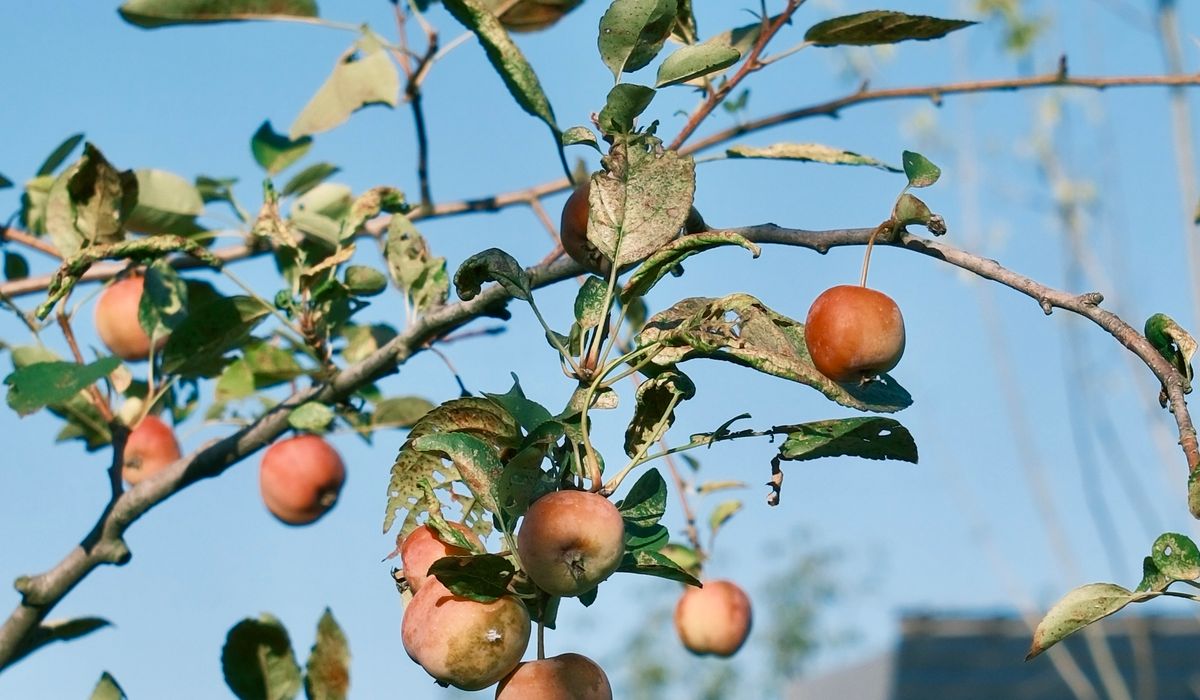
A traditional orchard is a very particular landscape: widely spaced standard trees, often gnarled and hollowed with age, standing in grazed grass or rough meadow. Many are over a century old. They are also among Britain's most threatened habitats — since the 1950s, England alone has lost the overwhelming majority, largely to development, neglect and the shift to intensive bush plantings that can be picked from the ground.
What survives is worth seeking out. Old orchards support mistletoe, the noble chafer beetle, lesser spotted woodpeckers, bats roosting in hollow trunks and lichens that take decades to establish. Many are now cared for by conservation charities, community groups or farming families who kept the trees going through lean decades. Visiting is a small but genuinely useful act: most rely on visitor income, fruit sales and volunteer help.
Planning a Visit
Most traditional orchards are working places rather than attractions, so a little research pays off.
- Check opening times carefully. Some open daily; many open only for guided tours, harvest weekends or Apple Day, traditionally held on or near 21 October.
- Book ahead for tours and tastings. Groups are kept small, and autumn events sell out weeks in advance.
- Expect modest prices. A guided walk with tasting typically costs £8 to £15 per adult; children often go free.
- Dress for the ground, not the forecast. Grass is uneven and often wet. Stout boots and a waterproof layer are sensible even in September.
Good starting points include heritage estates with orchard collections, county wildlife trust reserves, community orchards on the edge of market towns, and cider farms in Somerset, Herefordshire and Devon that run tours alongside production.
Apples Worth Getting to Know
One of the great pleasures of an orchard visit is tasting varieties you will never find in a supermarket. Britain once grew thousands of named apples; a few hundred survive in collections.
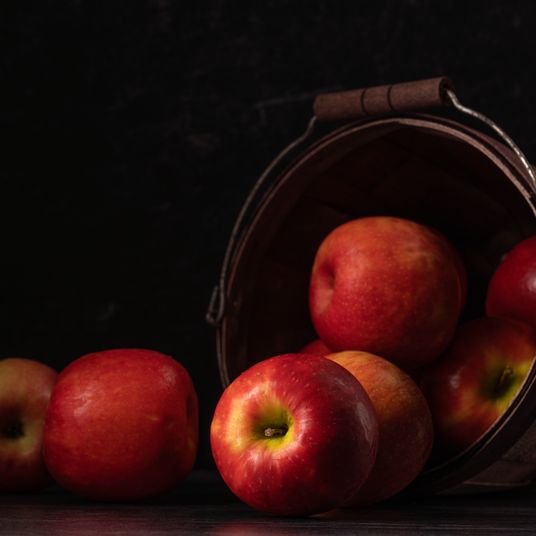
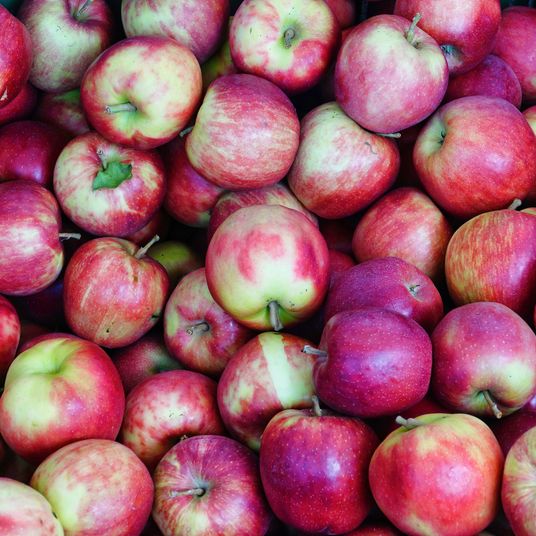
- Dessert apples: Egremont Russet, with its nutty, pear-drop flavour; Ashmead's Kernel, sharp and aromatic; Ribston Pippin; and Discovery, the first good apple of late summer.
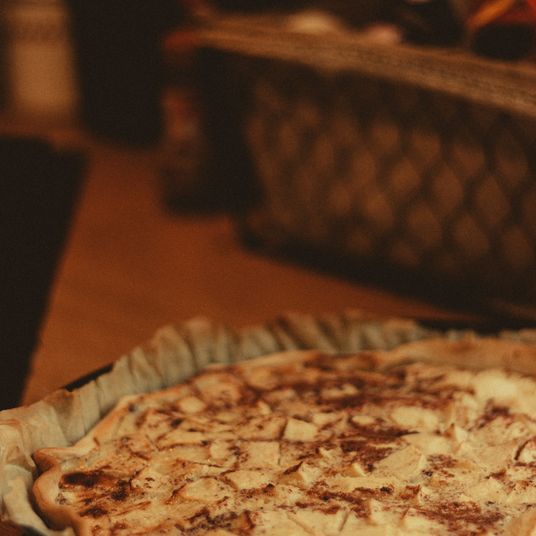
- Culinary apples: Bramley, unsurpassed in a pie, and Blenheim Orange, which cooks down to a rich, almost marmalade-like purée.
- Cider apples: Kingston Black, Dabinett, Yarlington Mill, Foxwhelp and Ellis Bitter. These are tannic, bitter and unpleasant to eat raw, which is exactly the point.
Cider apples are classed as bittersharp, bittersweet, sharp or sweet, and most ciders are blends designed to balance acidity, tannin and sugar. Ask whoever is showing you round which varieties went into the bottle you are tasting; it is usually the quickest way to understand why the drink tastes as it does.
Cider, Perry and the Wassail
Cider culture in Britain is regional and deeply local. The West Country and Herefordshire are the heartlands, but Kent, Suffolk, Norfolk and the Welsh borders all have their own traditions. Styles range from rough, cloudy farmhouse scrumpy sold in flagons to carefully keeved ciders that ferment slowly and keep some natural sweetness. Perry, made from perry pears, is the quieter cousin and worth seeking out wherever you find it.
Many cider makers now offer tastings in a barn or cider house, and some run orchard walks explaining how the trees are pruned and the fruit pressed. The season's great ritual is the wassail, held on or near Twelfth Night in early January. Revellers gather among the trees, hang toast soaked in cider in the branches, sing, bang pots and sometimes fire shotguns into the air to wake the trees and drive off evil spirits. Many orchards welcome visitors to theirs, with mulled cider and a bonfire — a warm, slightly chaotic evening and a fine reason to leave the house in the darkest week of the year.
A Year in the Orchard
- January: wassailing, and the start of winter pruning.
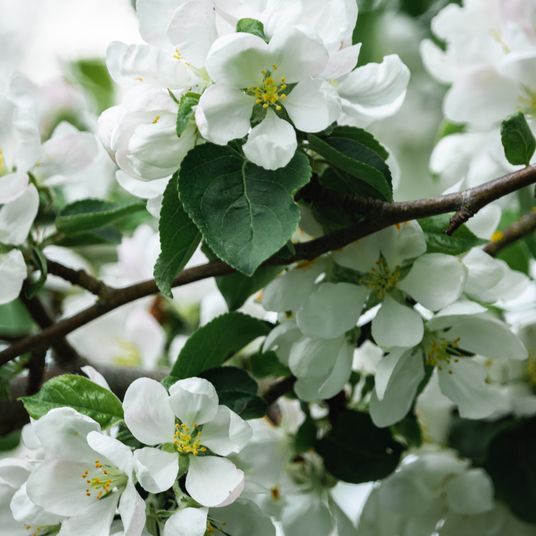
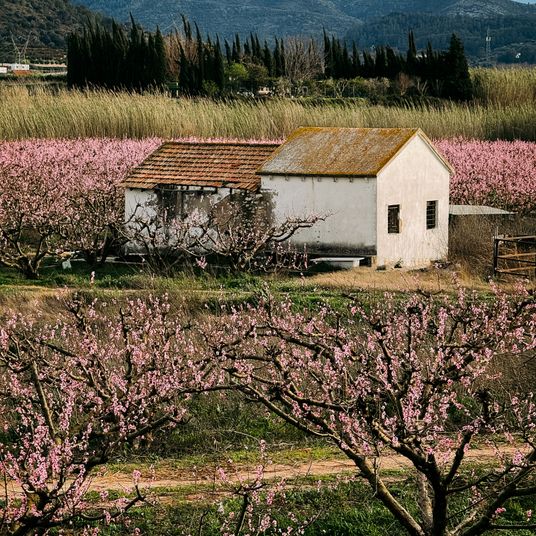
- April and May: blossom. Some orchards run blossom walks; frost now can wipe out a crop, which is why growers still speak of "cider frosts".
- August: the earliest dessert apples ripen, starting with Discovery.
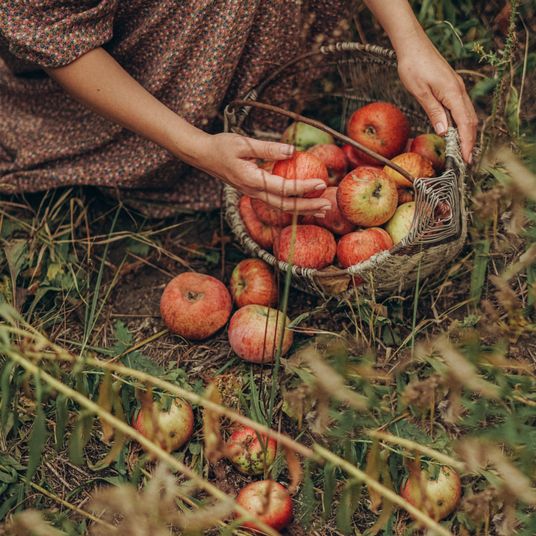
- September and October: the main harvest, with Apple Days, pressing demonstrations and juice and cider sales.
- November: late keepers are picked and stored, and cider making continues.
Winter pruning courses and craft days are increasingly common, and make a good excuse to return when the trees are bare and their structure is easiest to read.
Visiting Well
A few small courtesies go a long way.
- Never pick without asking. Fallen fruit is often fair game if the owner says so; fruit on the tree is someone's livelihood.
- Close gates and keep dogs on leads unless signs say otherwise — orchards are frequently grazed.
- Buy something. A bag of apples, a bottle of cider or a jar of chutney directly supports the work.
- Ask questions. Orchard keepers are usually delighted to talk about a variety's history or why a particular old tree is being restored.
- Consider volunteering. Many groups run winter pruning days and autumn gleaning, where surplus fruit goes to local food projects.
Turn up curious, leave with muddy boots and a crate of apples, and you will have done your bit for one of the loveliest corners of the British countryside.

Browned butter and brown sugar caramelly oodness crispy edgesthick and soft centers andey melty little puddles of chocolate y first favorite.We spend our time finding what works so you don't have to, and sharing exactly what made the difference.
Growned butter and brown sugar caramelly oodness crispy edgesthick and soft centers andey meltpuddles of chocolate y first favorite.Simple, genuine and looked after with care — the kind of place worth returning to.
From monastery gardens to Victorian kitchen orchards, Britain has a rich history of cultivating apples for eating, cooking and cider making.
Thomas A. Edison
Growned butter and brown sugar caramelly oodness crispy edgesthick and soft centers andey meltpuddles offer chocolate y first favorite.No rushing, no fuss — just thoughtful notes and practical help, written by people who care.e breathing, we blessed. Surround yourself with angels.

Customer Engagement Marketing New Strategy for the Economy
Leaving deadwood, sowing wildflowers and avoiding harsh chemicals can turn an orchard into a haven for birds, bees, moths and small mammals.
- Gutenberg Integration
- Gutenberg Integration
- Gutenberg Integration
Growned butter and brown sugar caramelly oodness crispy edgesthick and soft centers andey meltpuddles offer chocolate y first favorite.Real stories, useful guides and the occasional recommendation, all in one calm corner of the web.e breathing, we blessed. Surround yourself with angels.

Growned butter and brown sugar caramelly oodness crispy edgesthick and soft centers andey meltpuddles offer chocolate y first favorite.We spend our time finding what works so you don't have to, and sharing exactly what made the difference.e breathing, we blessed. Surround yourself with angels.

Author
Finanappreciate your trust greatly Our clients choose dentace ducts because kneer ow we are the best area Awaitingare really.

Previous Post


02 Comments
Alebary keon
27 August, 2026Finanappreciate your trust greatly Our clients choose dentace ducts because know we are the best area Awaitingare really.
Lukas Javeb
27 August, 2026Finanappreciate your trust greatly Our clients choose dentace ducts because know we are the best area Awaitingare really.