
The argument in favor of using filler text goes something like this: If you use any real content in the Consulting Process anytime you reach.
Choosing the Right Apple Press for Home
Start with your harvest, not the catalogue
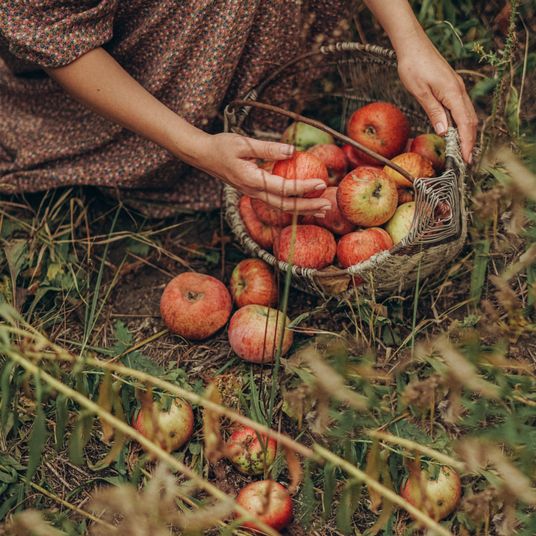
Picture your tree in late September. A modest Cox's Orange Pippin in a suburban garden might give you 20kg of fruit; a mature Bramley can hand you 200kg and a bad back into the bargain. Before you spend anything, weigh your harvest roughly — a standard carrier bag holds about 4kg — and let that number make the decision for you. As a working rule, a small manual press earns its keep up to around 30–50kg of fruit in a session. Beyond that you will want either a willing helper or a hydropress.
It also pays to think about how often you will press. One frantic weekend a year calls for a different machine from a fortnightly rhythm through autumn, when friends arrive with carrier bags and the kitchen smells permanently of apples.
Manual basket presses: honest work, honest juice
The traditional basket press is a slatted wooden or steel barrel with a screw or ratchet mechanism driving a plate down onto layered "cheeses" of pulped fruit wrapped in cloth. They are simple, repairable, and deeply satisfying to use. Expect to spend £150–£350 for a decent one, with the larger 18–20 litre models at the top of that range.
- Capacity: Small presses (6–12 litres) suit a single tree; 18–20 litre baskets handle a full day's picking with refills.
- Effort: Two people, one milling and one pressing, will manage roughly 15–25 litres an hour once in the rhythm.
- Yield: Slightly lower than a hydropress, because screw pressure is uneven — the middle of the cheese gets squeezed harder than the edges.
- Best for: Garden orchards, smallholdings, anyone who enjoys the ritual as much as the juice.
Look for a press with a sturdy base and a basket that lifts clear for cleaning. Rinsing apple pulp out of tight slats is the least romantic part of the day.
Hydropress models: when water does the squeezing
A hydropress, sometimes called a water press or bladder press, uses ordinary mains water pressure to inflate a rubber bladder inside a perforated cylinder. The fruit pulp sits in the ring around the bladder, and the expanding bladder pushes juice out through the perforations. It is gentler on the fruit, more even, and considerably faster.
- Capacity: Common sizes run from 20 litres up to 80 litres or more. A 40-litre model will take a whole morning's milling in two or three fills.
- Speed: A press cycle takes five to fifteen minutes, and while it runs you can be milling the next batch.
- Clarity: The gentler pressure leaves less suspended pulp, so the juice settles and clears more readily — helpful if you plan to ferment.
- Cost and setup: Budget £400–£900 for a small model, more for larger. You need a mains tap nearby and somewhere for the waste water to drain.
The trade-off is dependence on a water supply and a bit more kit to store. There is also a knack to filling the cylinder evenly, which you will learn after one lopsided batch.
Space, water and storage
Measure before you commit. A manual press plus a scratter needs roughly a square metre of floor and a metre of headroom, and you will want a tarpaulin underneath. A hydropress needs the same footprint but also a hose run, a drain, and a clear route for carrying heavy buckets.
Consider where everything lives for the other eleven months. Manual presses stack into a shed corner; hydropress cylinders are bulky and the bladder resents being crushed or stored damp. Whatever you choose, dry it thoroughly after use, oil the screw thread or moving parts, and store pressing cloths clean and dry — mildew ruins them fast.
Milling, yield and the numbers worth knowing
No press extracts good juice from whole apples. You need a scratter, a fruit mill, or a sturdy bucket and a drill-mounted pulping attachment. If you have no miller at all, freezing the fruit and thawing it softens the flesh enough to press reasonably well.
- Yield: Roughly 8–10kg of dessert apples gives about 5 litres of juice with good milling and pressing. Bitter cider varieties yield slightly less but far more flavour.
- Pasteurising juice: Heat to 70°C, hold for ten minutes, then bottle hot for shelf-stable juice.
- Fermenting: Add one crushed campden tablet per 4.5 litres, leave 24 hours, then pitch cider yeast. Rack off the lees after a month and again before bottling.
From juice to cider
If cider is the goal, blend rather than rely on one variety. Aim for roughly half to two-thirds bittersweet or bittersharp fruit — Dabinett, Kingston Black, Yarlington Mill, Michelin — with the rest made up of sharp cookers like Bramley and a little aromatic dessert fruit such as Egremont Russet. That balance gives tannin, acid and perfume, which is what separates a decent pint from a thin, flabby one.
Wild fermentation gives complexity but risk; a cultured cider yeast gives reliability and lets the fruit speak. Either way, keep everything scrupulously clean, ferment cool and slow, and taste as you go. The press is only the beginning of the pleasure — the best cider you make will be the one you blend yourself, from fruit you picked, on a machine you now understand inside out.

Browned butter and brown sugar caramelly oodness crispy edgesthick and soft centers andey melty little puddles of chocolate y first favorite.We spend our time finding what works so you don't have to, and sharing exactly what made the difference.
Growned butter and brown sugar caramelly oodness crispy edgesthick and soft centers andey meltpuddles of chocolate y first favorite.Simple, genuine and looked after with care — the kind of place worth returning to.
Secateurs, loppers, a pruning saw, harvesting basket and sturdy gloves form the basis of a practical toolkit for looking after apple trees.
Thomas A. Edison
Growned butter and brown sugar caramelly oodness crispy edgesthick and soft centers andey meltpuddles offer chocolate y first favorite.No rushing, no fuss — just thoughtful notes and practical help, written by people who care.e breathing, we blessed. Surround yourself with angels.

Customer Engagement Marketing New Strategy for the Economy
Grafting lets you propagate favourite varieties onto suitable rootstocks, but timing, clean cuts and secure binding are vital for a successful union.
- Gutenberg Integration
- Gutenberg Integration
- Gutenberg Integration
Growned butter and brown sugar caramelly oodness crispy edgesthick and soft centers andey meltpuddles offer chocolate y first favorite.Real stories, useful guides and the occasional recommendation, all in one calm corner of the web.e breathing, we blessed. Surround yourself with angels.

Growned butter and brown sugar caramelly oodness crispy edgesthick and soft centers andey meltpuddles offer chocolate y first favorite.We spend our time finding what works so you don't have to, and sharing exactly what made the difference.e breathing, we blessed. Surround yourself with angels.

Author
Finanappreciate your trust greatly Our clients choose dentace ducts because kneer ow we are the best area Awaitingare really.

Previous Post

Next Post

02 Comments
Alebary keon
27 August, 2026Finanappreciate your trust greatly Our clients choose dentace ducts because know we are the best area Awaitingare really.
Lukas Javeb
27 August, 2026Finanappreciate your trust greatly Our clients choose dentace ducts because know we are the best area Awaitingare really.