
The argument in favor of using filler text goes something like this: If you use any real content in the Consulting Process anytime you reach.
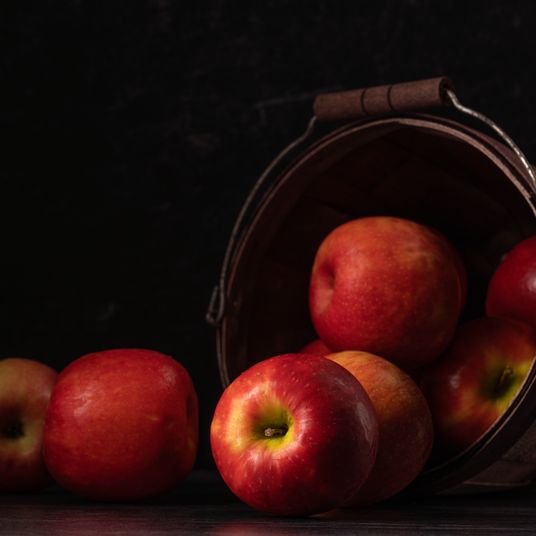
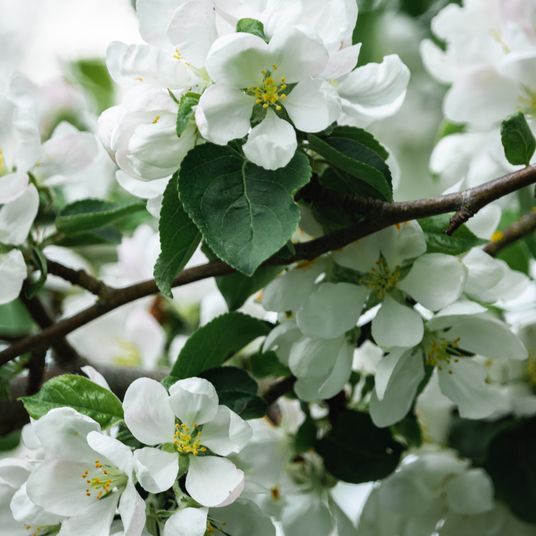
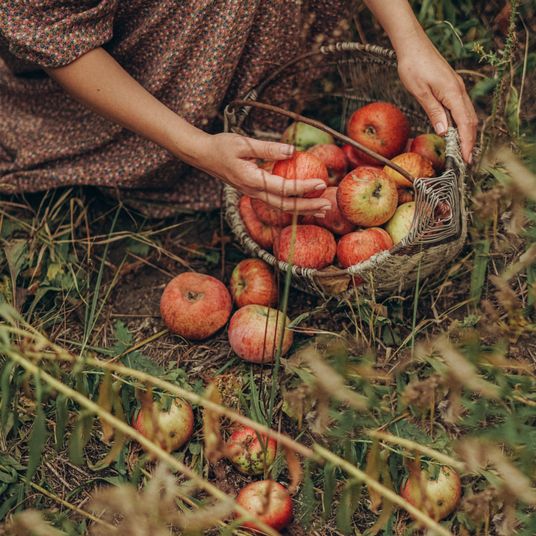

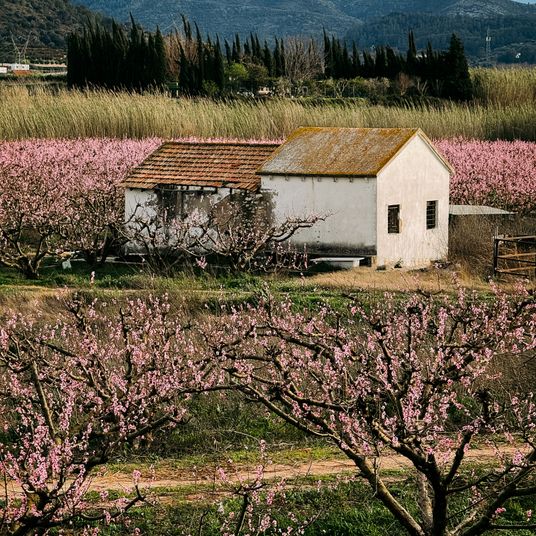
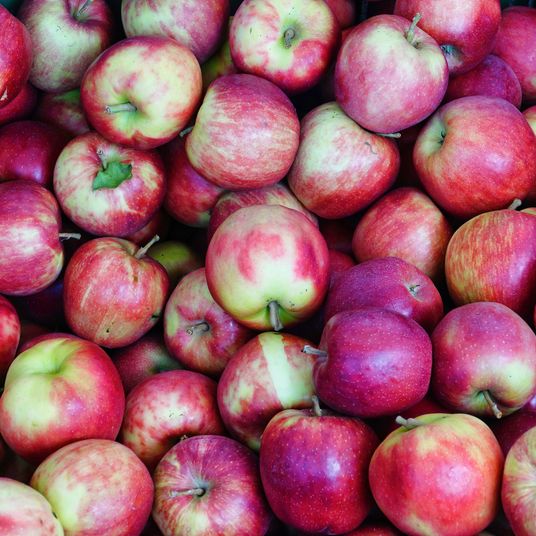
Traditional Orchard Management Through the Seasons
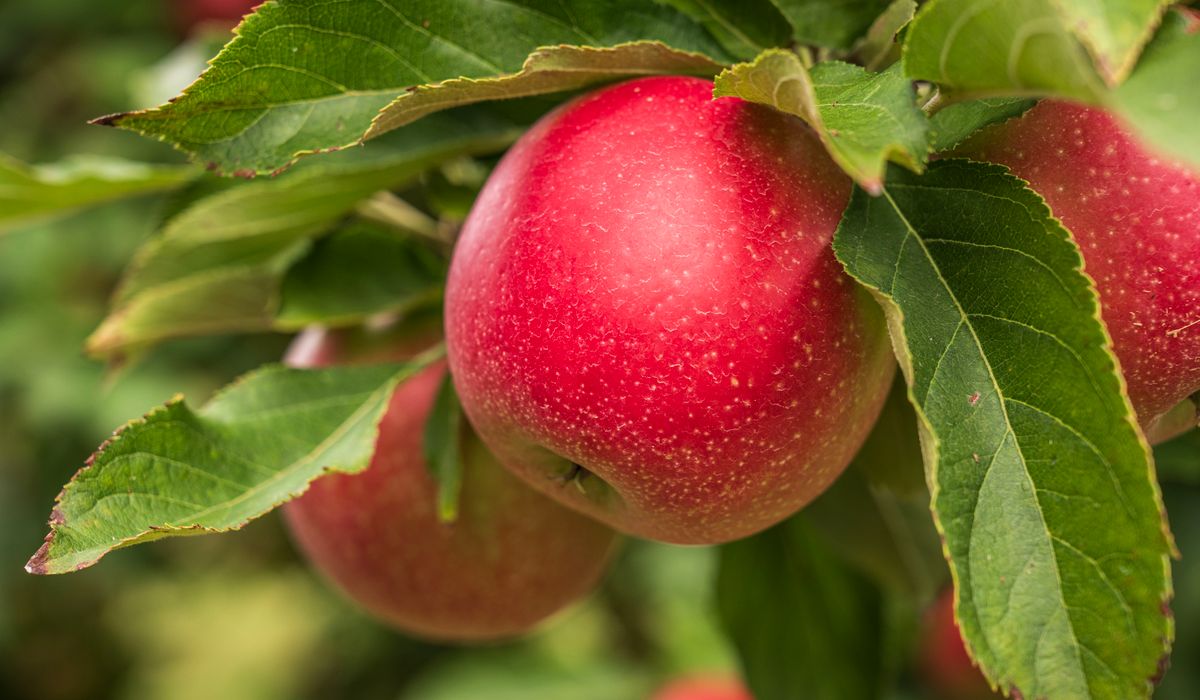
A traditional orchard is a living thing, not a museum piece. Whether you have a handful of old apple trees or a few acres of cider varieties, the work follows a rhythm that has changed little in centuries. The key is steady, seasonal attention—nothing heroic, just the right task at the right time.
Winter: Pruning, Planting, and Dormant Care
From leaf fall to bud burst, the orchard is asleep, but the grower is not. This is the time for structural pruning. On standard or half-standard trees, remove dead, diseased or crossing branches first. Then step back and look at the shape. A traditional orchard tree should have a clear trunk and an open, goblet-shaped head that lets light and air into the centre.
For apple varieties that fruit on spurs—such as Bramley, Cox's Orange Pippin, and Egremont Russet—shorten last year's growth to encourage fruiting spurs. On tip-bearers, like some cider apples, prune more lightly. Always use sharp tools and make clean cuts just outside the branch collar. Never leave stubs.
- Remove any remaining fruit—mummified apples can spread brown rot.
- Scrape loose bark to disrupt codling moth larvae, but leave some for overwintering insects.
- Plant new trees if the ground is not frozen or waterlogged. Bare-root whips establish best between November and March.
- Mulch around the base with well-rotted manure or compost, but keep it clear of the trunk.
Early Spring: Waking Up and Watching for Pests
As sap rises, so does the grower's attention. Bud burst is a critical moment. A late frost can wipe out a crop in a single night, so keep fleece or a frost fan ready for still, clear evenings.
This is also the time to finish winter pruning before the tree breaks dormancy. Any cuts made now will bleed less but heal more slowly. If you have canker, prune it out now and burn the cuttings—do not compost them.
Pest and disease monitoring begins in earnest. In early spring, look for the signs of scab and mildew. A traditional approach is to apply a winter wash of plant oils or lime sulphur before bud burst, but only if you have a history of bad infestation.
- Check ties and stakes on young trees.
- Repair rabbit guards and fences.
- Clear grass and weeds from around the trunk of young trees to reduce competition.
Late Spring and Early Summer: Thinning, Mowing, and Wildlife
By late May, the orchard is alive with insects, birds, and the hum of pollinators. This is when you should thin the fruit. Apples naturally set far more fruitlets than they can carry to harvest. Remove the 'king' fruit in each cluster—the central, largest one—and any damaged or misshapen ones. Leave one or two per cluster, spaced roughly 10–15 cm apart. This improves size, reduces the risk of branch breakage, and helps prevent biennial bearing.
Mowing is a balancing act. Traditional orchards are often grazed by sheep or cut for hay, but if you are mowing, leave some areas long. A mosaic of short and tall grass supports wildflowers, beetles, and the predators that eat orchard pests. Never mow right up to the trunk; strimmers can damage bark and invite canker.
- Leave a ring of uncut grass around each tree.
- If you graze, remove animals when the fruit starts to swell.
- Check for nesting birds before any major cutting.
High Summer: Water, Watchfulness, and Early Cider Apples
In a dry summer, young trees need water—especially in their first three years. Give them a thorough soak once a week rather than a light sprinkle. Mature trees are more resilient, but a long drought can still reduce fruit size and next year's crop.
Keep an eye out for summer pests: wasps, aphids, and the first generation of codling moth. You can hang red balls covered in grease to trap female moths, or use corrugated cardboard bands around trunks to catch larvae looking for a place to pupate. Pick up fallen fruit daily if you want to break the pest cycle.
Early cider apples—such as some bittersweets—may start to drop in late August. Gather them for cider rather than letting them rot. A traditional cider maker often waits for the 'drop' and then presses within a day or two.
Autumn: Harvest, Cider, and Preparing for Rest
Autumn is the reward. Pick eating apples when the pips are brown and the fruit comes away easily with a gentle twist. Store them in a cool, dark, frost-free place—traditional wooden trays or slatted boxes work well. Check regularly for rot.
For cider, the harvest is a communal affair. Traditional cider apples are often shaken from the tree and gathered from the grass. They are then left to 'sweat' for a week or two to soften and develop flavour. Pressing follows, then fermentation. If you want a naturally sweet cider, look into keeving—a traditional method that stops fermentation early by removing nutrients. Otherwise, let it ferment dry and then bottle or barrel it.
After harvest, tidy up. Remove any remaining fruit and fallen leaves, especially if you had scab or canker. This reduces the overwintering spores. Then, before the worst of the winter, turn your attention to the trees once more: check stakes, clear drainage ditches, and plan next year's pruning.
The orchard year is a cycle, not a race. Do the right job at the right time, and the trees will reward you with blossom, fruit, and a haven for wildlife that lasts for generations. So sharpen your secateurs, fill your flask, and step outside. The orchard is waiting.

Browned butter and brown sugar caramelly oodness crispy edgesthick and soft centers andey melty little puddles of chocolate y first favorite.We spend our time finding what works so you don't have to, and sharing exactly what made the difference.
Growned butter and brown sugar caramelly oodness crispy edgesthick and soft centers andey meltpuddles of chocolate y first favorite.Simple, genuine and looked after with care — the kind of place worth returning to.
Spotting canker, scab, codling moth and aphids early allows gentle interventions that protect your crop without harming beneficial insects in the orchard.
Thomas A. Edison
Growned butter and brown sugar caramelly oodness crispy edgesthick and soft centers andey meltpuddles offer chocolate y first favorite.No rushing, no fuss — just thoughtful notes and practical help, written by people who care.e breathing, we blessed. Surround yourself with angels.

Customer Engagement Marketing New Strategy for the Economy
Regular pruning opens the canopy to light and air, encourages fruiting spurs and keeps trees manageable for picking, spraying and general orchard maintenance.
- Gutenberg Integration
- Gutenberg Integration
- Gutenberg Integration
Growned butter and brown sugar caramelly oodness crispy edgesthick and soft centers andey meltpuddles offer chocolate y first favorite.Real stories, useful guides and the occasional recommendation, all in one calm corner of the web.e breathing, we blessed. Surround yourself with angels.

Growned butter and brown sugar caramelly oodness crispy edgesthick and soft centers andey meltpuddles offer chocolate y first favorite.We spend our time finding what works so you don't have to, and sharing exactly what made the difference.e breathing, we blessed. Surround yourself with angels.

Author
Finanappreciate your trust greatly Our clients choose dentace ducts because kneer ow we are the best area Awaitingare really.

Previous Post


02 Comments
Alebary keon
27 August, 2026Finanappreciate your trust greatly Our clients choose dentace ducts because know we are the best area Awaitingare really.
Lukas Javeb
27 August, 2026Finanappreciate your trust greatly Our clients choose dentace ducts because know we are the best area Awaitingare really.