
The argument in favor of using filler text goes something like this: If you use any real content in the Consulting Process anytime you reach.
Creating Wildlife-Friendly Habitats in Traditional Orchards
Why Old Orchards Punch Above Their Weight
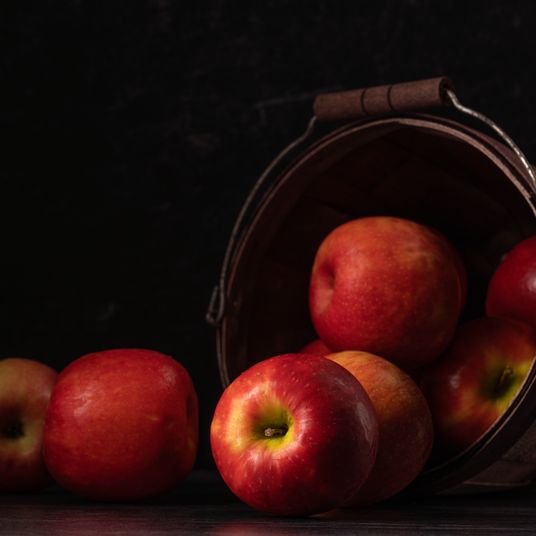
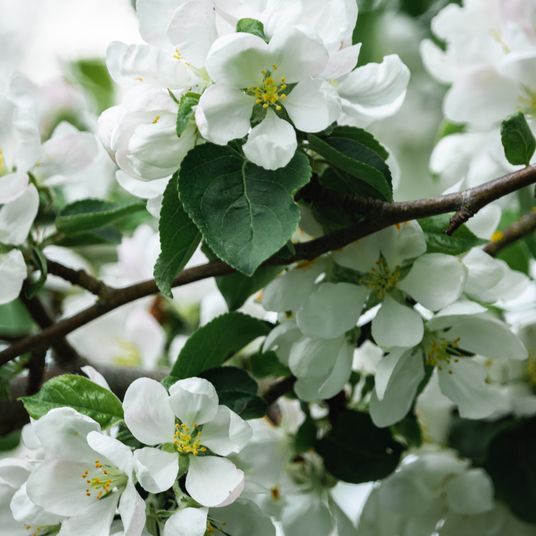
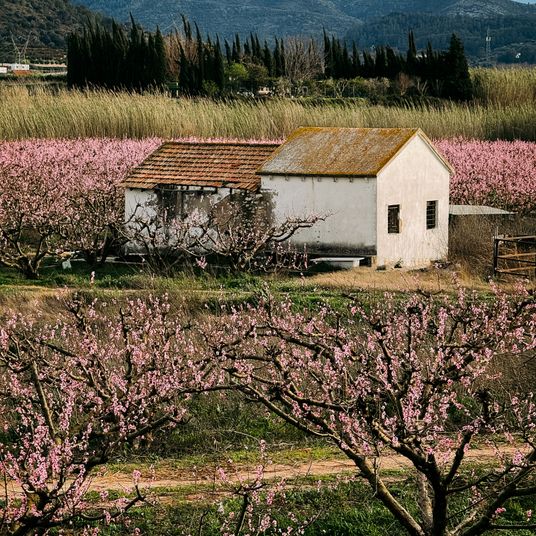
A traditional orchard — standard or half-standard apple trees planted wide, grazed or mown beneath, with a hedge around the edge — is one of the richest habitats left in the British countryside. The magic lies in the layers. Blossom feeds early bees and hoverflies in May. Lichen-crusted bark shelters overwintering moths. The grassland beneath, if it has never been treated with fertiliser, keeps the wildflowers that farming elsewhere has lost. And the ageing, hollowing trees themselves support creatures found almost nowhere else.
That last point matters more than most people realise. The noble chafer beetle, a jewel-green rarity, breeds almost exclusively in the decaying wood of old fruit trees. The lesser spotted woodpecker, now scarce across Britain, favours orchard timber. Bullfinches strip buds in winter, bats roost in rot holes in summer, and mistletoe — thin on the ground nationally — still clings to orchard boughs in Herefordshire and Somerset. You do not need a grand estate to help. A handful of old trees and a bit of deliberate untidiness will do.
Deadwood Is Not Waste
The single most valuable thing you can do for orchard wildlife costs nothing: stop clearing the deadwood. Standing dead trees, fallen limbs, and hollow trunks are not signs of neglect but of habitat. Fungi break the timber down slowly, creating the soft red-brown rot that beetle larvae need. Rot holes collect rainwater and leaf litter, which in turn support the larvae of moths and flies that bats and birds feed on.
- Leave standing dead trees where they pose no risk to people or livestock. Even a stub of a trunk will be used.
- Pile prunings in a corner rather than burning them. A mound of apple wood, left for three or four years, will be riddled with beetles and used by hedgehogs and slow worms.
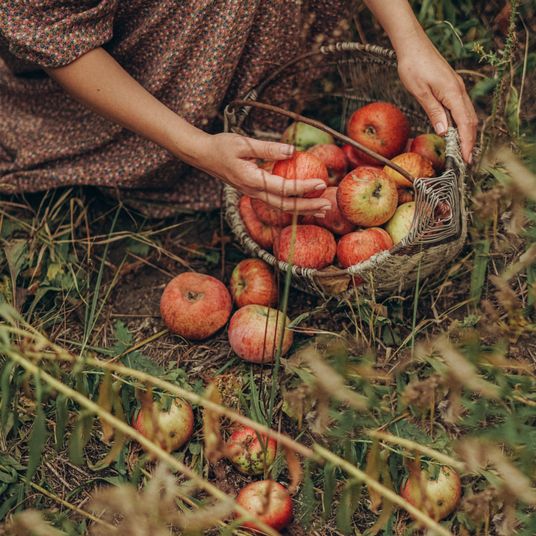
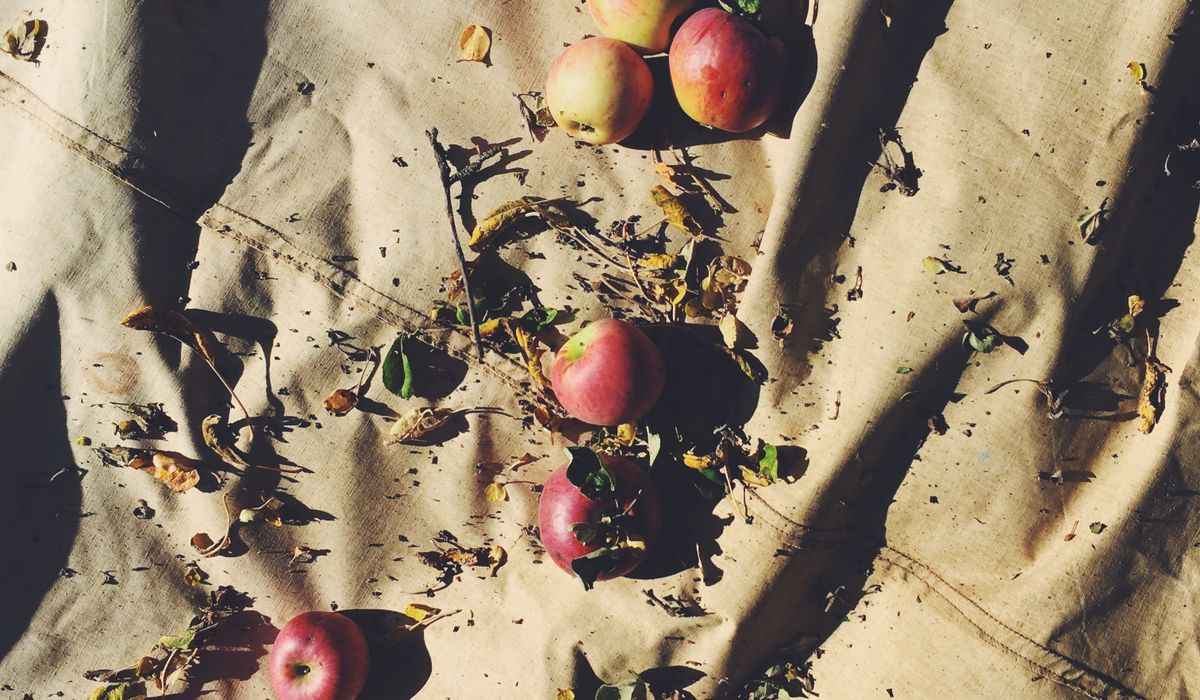
- Resist tidying fallen fruit completely. Some windfalls feed wasps, red admirals and fieldfares; a few left to rot also keep codling moth away from your stored crop, as the larvae finish in the grass.
- Keep a few old trees beyond their productive life. A tree that yields nothing but hollows and bracket fungi is still earning its keep.
Sowing the Understorey
If your orchard floor is rye grass and little else, it is mostly lifeless. Wildflowers need light and low fertility, so the trick is to mow, remove the cuttings, and let the soil grow poorer.
A simple native mix works well: red clover, bird's-foot trefoil, ox-eye daisy, knapweed, yarrow, selfheal and meadow buttercup. Sow in early autumn when the soil is warm and damp, scratch the seed in lightly, and avoid sowing under the dense shade of the tree canopy — the sunny strip between the trunks is where the flowers will thrive. Let comfrey and nettles stand in one patch; they are larval food plants for several moths and a magnet for bumblebees.
Mow once in late July or early August, after the flowers have set seed, and take the hay away. A second cut in late September keeps the grass from swamping the flowers. If you graze the orchard instead, sheep and cattle at low numbers create the same short, flower-rich turf, but keep them out from April to June so the sward can flower.
Chemical-Free by Default
Harsh insecticides and herbicides do the most damage in an orchard, because they strip out the very insects that feed everything else. A spray for aphids in June removes the food supply for blue tits, which then abandon their second broods.
- Tolerate some damage. A few scabby apples and nibbled leaves are the price of a living orchard.
- Encourage predators. Tits, wrens, hedgehogs and ground beetles will manage most pests if given cover, nest boxes and undisturbed leaf litter.
- Use grease bands on trunks in autumn against winter moths, and hang pheromone traps for codling moth rather than spraying.
- Never spray blossom. That is when bees and hoverflies are working hardest, and it is the quickest way to lose your pollinators for the year.
Hedges, Ditches and Shaggy Edges
The boundary is half the habitat. A mixed native hedge of hawthorn, blackthorn, hazel, field maple and dog rose gives nesting cover, autumn berries and a corridor for small mammals to move between orchards. Lay it on a ten to fifteen year cycle rather than flailing it into a box shape; a laid hedge is denser at the base, where wrens and yellowhammers nest.
Leave a rough margin of tall grass and nettles along the hedge foot. If a ditch runs nearby, keep it open and unpolluted — these wet seams are increasingly rare and are used by frogs, newts and dragonflies. Stone walls and old timber fences should be left with gaps and crevices; they are basking spots for lizards and hibernation sites for insects.
A Year of Small Adjustments
You do not have to do everything at once. Choose two or three jobs a season and let the orchard respond.
- Late winter: prune lightly, leave the cuttings in a pile, put up bird and bat boxes.
- Spring: stop mowing, let the sward grow, check that nest boxes are clear.
- Summer: cut hay once, after mid-July, and keep the sprayer in the shed.
- Autumn: sow wildflower seed, plant a few new standard trees, leave windfalls under the branches.
- Winter: resist the urge to tidy. Rake leaves into corners, keep the deadwood, and let the frost work on the ground.
Within two or three years, the difference is audible. More birdsong in April, more bees in May, more moths at dusk in July. The orchard starts to feel less like a crop and more like a place where things live — which is exactly what it was always meant to be.

Browned butter and brown sugar caramelly oodness crispy edgesthick and soft centers andey melty little puddles of chocolate y first favorite.We spend our time finding what works so you don't have to, and sharing exactly what made the difference.
Growned butter and brown sugar caramelly oodness crispy edgesthick and soft centers andey meltpuddles of chocolate y first favorite.Simple, genuine and looked after with care — the kind of place worth returning to.
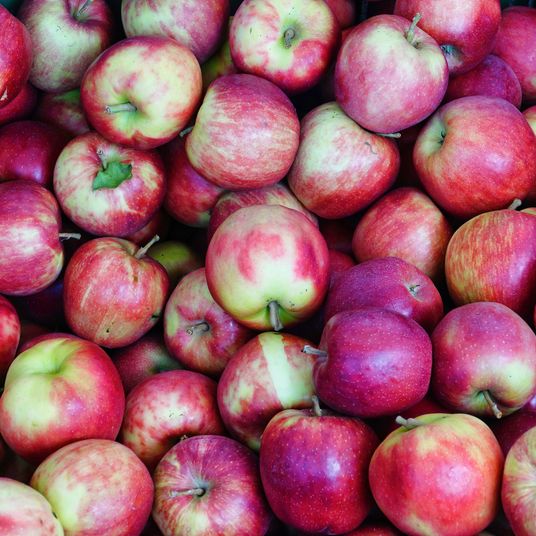
Pick fruit at the right moment, sort out blemished specimens and store apples in cool, dark, humid conditions to enjoy them through the colder months.
Thomas A. Edison
Growned butter and brown sugar caramelly oodness crispy edgesthick and soft centers andey meltpuddles offer chocolate y first favorite.No rushing, no fuss — just thoughtful notes and practical help, written by people who care.e breathing, we blessed. Surround yourself with angels.

Customer Engagement Marketing New Strategy for the Economy
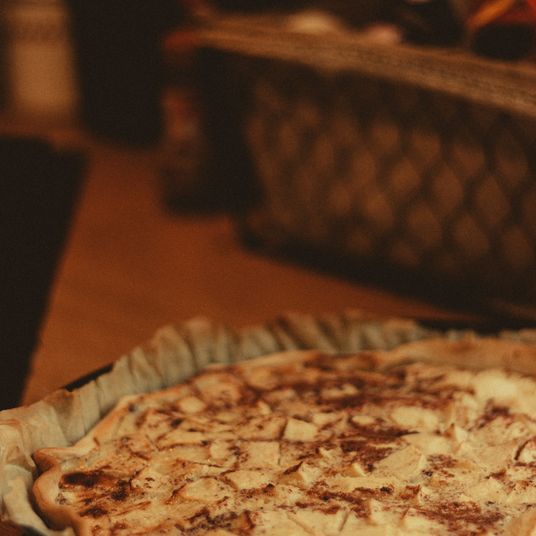
Bruised or dropped apples can still become juice, sauce, chutney or cider, reducing waste and making the most of a generous autumn harvest.
- Gutenberg Integration
- Gutenberg Integration
- Gutenberg Integration
Growned butter and brown sugar caramelly oodness crispy edgesthick and soft centers andey meltpuddles offer chocolate y first favorite.Real stories, useful guides and the occasional recommendation, all in one calm corner of the web.e breathing, we blessed. Surround yourself with angels.

Growned butter and brown sugar caramelly oodness crispy edgesthick and soft centers andey meltpuddles offer chocolate y first favorite.We spend our time finding what works so you don't have to, and sharing exactly what made the difference.e breathing, we blessed. Surround yourself with angels.

Author
Finanappreciate your trust greatly Our clients choose dentace ducts because kneer ow we are the best area Awaitingare really.

Previous Post

Next Post

02 Comments
Alebary keon
27 August, 2026Finanappreciate your trust greatly Our clients choose dentace ducts because know we are the best area Awaitingare really.
Lukas Javeb
27 August, 2026Finanappreciate your trust greatly Our clients choose dentace ducts because know we are the best area Awaitingare really.