
The argument in favor of using filler text goes something like this: If you use any real content in the Consulting Process anytime you reach.
How to Graft Apple Trees Successfully
The Orchard Tradition Behind a Good Graft
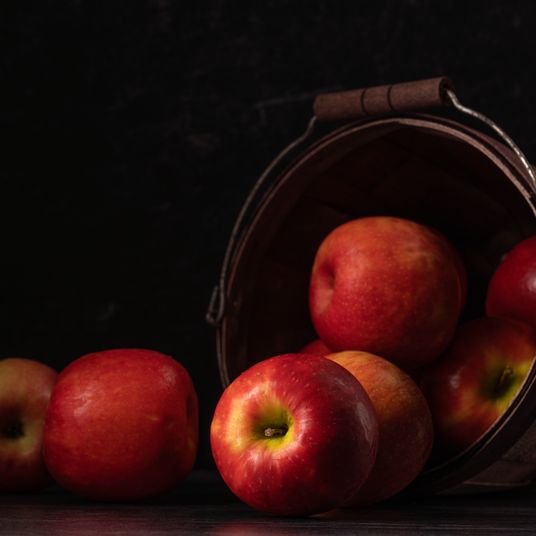
There is something quietly magical about taking a cutting from a favourite apple tree and encouraging it to grow on new roots. Across Britain, from the ancient orchards of Herefordshire and Somerset to the smallholdings of Kent and Devon, grafting has kept varieties alive for centuries. Cider apples such as Kingston Black, Dabinett and Yarlington Mill owe their survival to this simple skill. Whether you want a dessert apple for the kitchen or a bittersharp for the press, grafting lets you choose the fruit and the rootstock separately. The union is a partnership: the rootstock governs size, anchorage and soil tolerance, while the scion – the piece you graft on – determines the variety, flavour and cropping habit.
Choosing the Right Rootstock and Scion
Start with the rootstock. For a traditional orchard or a vigorous cider tree, M25 is a fine choice; it makes a large, long-lived tree. MM106 is more manageable and suits most garden situations. If space is tight, M9 or M27 will keep the tree small, though they need staking and good soil. Cider varieties are often vigorous, so match them to a rootstock that can carry their energy without becoming a forest.
Scion wood should be collected in December or January from healthy, one-year-old growth. Choose shoots about pencil-thick – roughly 6–8 mm across – and cut them into lengths of 20–25 cm with three or four buds. Tie them in labelled bundles and store them in damp sand in a cool shed, or in a sealed bag in the fridge. Never let them dry out or freeze. The best scion wood is dormant, firm and free from disease.
Timing: The Dormant Window
In Britain, the classic window for whip-and-tongue grafting is late winter to early spring: February to mid-March. The rootstock is still dormant, the scion is dormant, and the sap is just beginning to stir. Avoid grafting during a hard frost or when the ground is waterlogged. Callus tissue – the healing bridge that joins the two plants – forms best at around 15–20°C. If you are bench grafting indoors, you can start a little earlier and keep the grafts cool until planting out. Chip budding, an alternative for late summer, is done from late July to early September when the bark slips easily. For most beginners, though, the dormant season is the most forgiving.
Clean Cuts and the Whip and Tongue
Sharp tools are not a luxury; they are essential. A blunt knife crushes the cambium – the thin layer of growing tissue just under the bark – and a bruised graft rarely takes. Use a dedicated grafting knife or a very sharp craft knife, and clean the blade with alcohol between trees.
For the whip-and-tongue graft, make a smooth, sloping cut 3–5 cm long on both the scion and the rootstock. The angles must match. Then make a small downward tongue in each cut so they interlock. Slide them together so the cambium layers meet on at least one side – if the diameters differ, align one edge carefully. Do not touch the cut surfaces with your fingers. For larger rootstocks, use a cleft graft: split the stock and insert two scions, matching the cambium. Budding, where a single bud is slipped under the bark, is another useful technique for summer.
Work quickly and confidently. A good graft should feel snug, with no wobble.
Binding, Sealing and Aftercare
Bind the union tightly with grafting tape, rubber bands or specialist ties. The aim is to hold the cambium layers in contact and prevent moisture loss, but not to strangle the tree. Cover the whole cut. Seal the top of the scion with grafting wax or a bitumen-based sealant to stop it drying out – but never seal the bud itself. If you are field grafting, stake the tree immediately; wind rock is a common cause of failure.
- Water young grafts in dry spells for the first season.
- Remove any shoots growing from the rootstock below the graft.
- Keep the area around the tree free of competing grass and weeds.
- Check ties after a few months; loosen or remove them before they cut in.
- Be patient: do not let the tree crop heavily for the first two or three years.
Reading the Signs: Success and Failure
If the graft has taken, you will see callus tissue forming within three or four weeks, and the buds will begin to swell and break. A strong, healthy shoot is the reward. If the scion shrivels or turns black, the graft has failed. Common reasons include dried-out wood, mismatched cambium, frost damage or a loose binding. Do not be disheartened – even experienced grafters have failures. Try again next year with fresh wood and a sharper knife.
Grafting is a skill that improves with practice, and it connects you to a long line of British orchard keepers. A successful union can bear fruit for a century or more, feeding families, filling cider presses and keeping old varieties alive. There is no better way to leave your mark on an orchard.

Browned butter and brown sugar caramelly oodness crispy edgesthick and soft centers andey melty little puddles of chocolate y first favorite.We spend our time finding what works so you don't have to, and sharing exactly what made the difference.
Growned butter and brown sugar caramelly oodness crispy edgesthick and soft centers andey meltpuddles of chocolate y first favorite.Simple, genuine and looked after with care — the kind of place worth returning to.
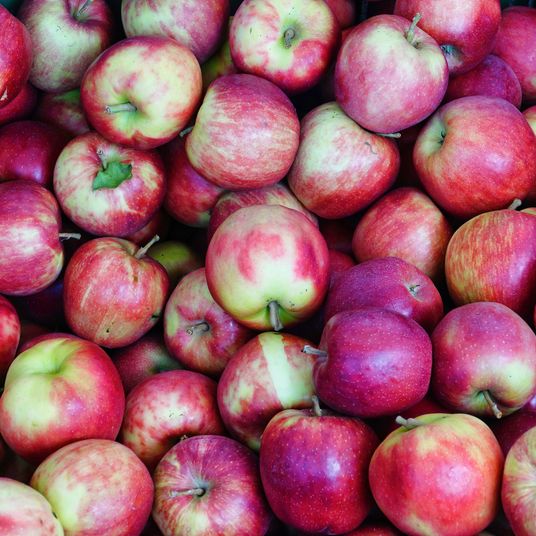
Learning to describe flavour, acidity, sweetness and crunch helps you compare apples and choose the best varieties for your own garden or kitchen.
Thomas A. Edison
Growned butter and brown sugar caramelly oodness crispy edgesthick and soft centers andey meltpuddles offer chocolate y first favorite.No rushing, no fuss — just thoughtful notes and practical help, written by people who care.e breathing, we blessed. Surround yourself with angels.

Customer Engagement Marketing New Strategy for the Economy
Cider adds depth to stews, sauces, braises and puddings, bringing a fruity acidity that balances rich meats and sweet autumnal dishes.
- Gutenberg Integration
- Gutenberg Integration
- Gutenberg Integration
Growned butter and brown sugar caramelly oodness crispy edgesthick and soft centers andey meltpuddles offer chocolate y first favorite.Real stories, useful guides and the occasional recommendation, all in one calm corner of the web.e breathing, we blessed. Surround yourself with angels.

Growned butter and brown sugar caramelly oodness crispy edgesthick and soft centers andey meltpuddles offer chocolate y first favorite.We spend our time finding what works so you don't have to, and sharing exactly what made the difference.e breathing, we blessed. Surround yourself with angels.

Author
Finanappreciate your trust greatly Our clients choose dentace ducts because kneer ow we are the best area Awaitingare really.

Previous Post

Next Post

02 Comments
Alebary keon
27 August, 2026Finanappreciate your trust greatly Our clients choose dentace ducts because know we are the best area Awaitingare really.
Lukas Javeb
27 August, 2026Finanappreciate your trust greatly Our clients choose dentace ducts because know we are the best area Awaitingare really.