
The argument in favor of using filler text goes something like this: If you use any real content in the Consulting Process anytime you reach.

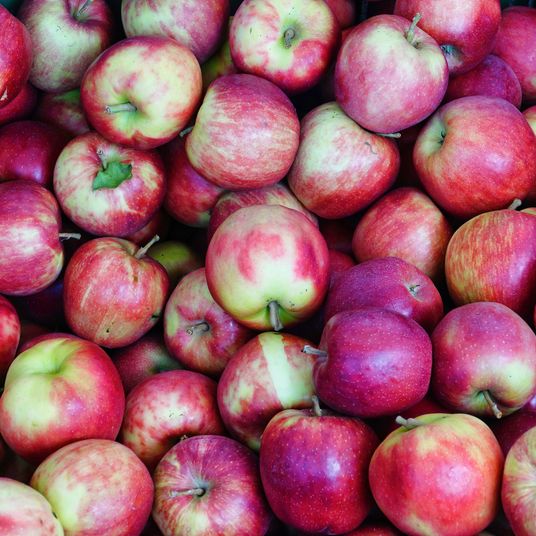
Seasonal Jobs in the Apple Orchard
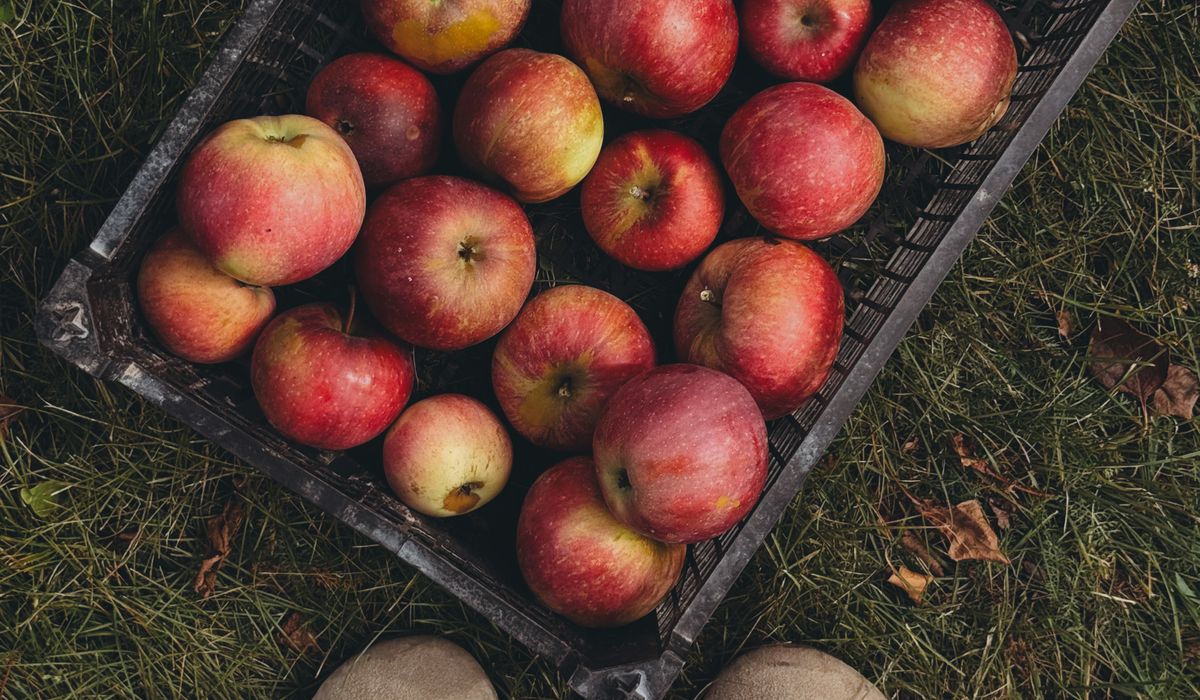
An orchard is never really still. Even in the depths of a British January, when the branches are bare and the grass is stiff with frost, there is work to be done — and every job you do now shapes the crop you will pick come autumn. Whether you tend a handful of trees at the bottom of the garden, lend a hand at a community orchard, or look after a few acres of cider varieties, the calendar of tasks is much the same. Here is how the year unfolds.
Winter: Pruning and Dormant Care
Pruning is the great winter task, and the window between leaf fall and bud burst is when the tree is dormant and least likely to bleed sap. Choose a dry, mild day — never prune in hard frost, when brittle wood snaps and wounds heal slowly.
- Start with the three Ds: remove anything dead, diseased or damaged before you think about shaping.
- Open up the centre so light and air reach the fruit; a congested tree crops poorly and suffers more scab and canker.
- Take out crossing branches that rub together and create entry points for disease.
- Renew spur systems on older trees, removing the oldest wood to encourage fresh fruiting spurs.
While you are out there, fit grease bands around trunks to trap winter moths, clear fallen and mummified fruit from the ground, and plant any bare-root trees you have ordered. A mulch of well-rotted manure, spread in a ring but kept clear of the trunk, sets new trees up nicely for the season ahead.
Spring: Blossom, Pollination and Frost
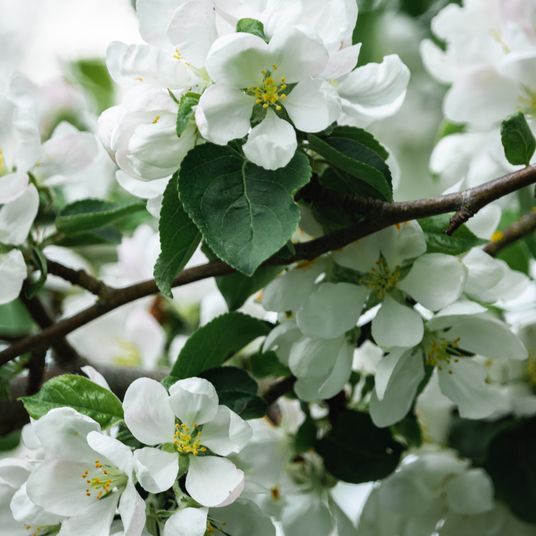
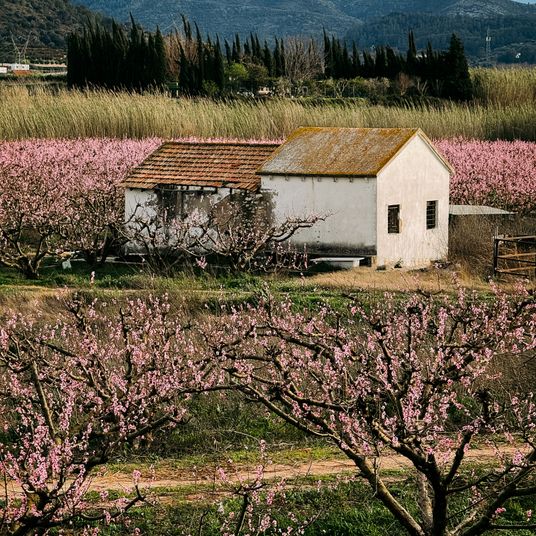
Once buds begin to break, put the secateurs away. Pruning now removes the very wood that would have carried this year's crop. Spring is about gentle encouragement instead.
- Check pollination partners. Most apples need a different variety nearby that flowers at the same time, so plant or graft accordingly.
- Encourage bees by leaving dandelions and other early flowers undisturbed at the orchard edges.
- Watch for aphids, caterpillars and blossom weevil — inspect developing clusters weekly and deal with problems early.
- Feed lightly only if growth was poor last year; too much nitrogen pushes soft leafy growth at the expense of fruit.
Frost is the real threat. A cold snap while blossom is open can wipe out a crop in a single night, so keep fleece to hand for small trees and avoid siting orchards in known frost pockets. Overhead watering on a freezing morning can protect open flowers, though it needs to be started before the temperature drops and kept running until the ice thaws.
Summer: Thinning, Watering and Watching
Left to their own devices, apple trees set far more fruit than they can carry. After the natural June drop, thin by hand to leave one or two fruits per cluster, roughly 10–15cm apart along the branch. Remove anything damaged, misshapen or small, and leave the strongest. The remaining apples will be larger, better coloured, and the tree will not exhaust itself and lapse into biennial cropping.
- Water young trees deeply during dry spells — a good soak once a week beats a daily sprinkle.
- Hang codling moth traps in late May and wasp traps from August, when the fruit begins to sweeten.
- Net against birds if you want to keep any of the crop for yourself.
- Summer prune trained trees — espaliers, fans and cordons — in late July or August to keep their shape tidy.
Autumn: Harvest and the Cider Press
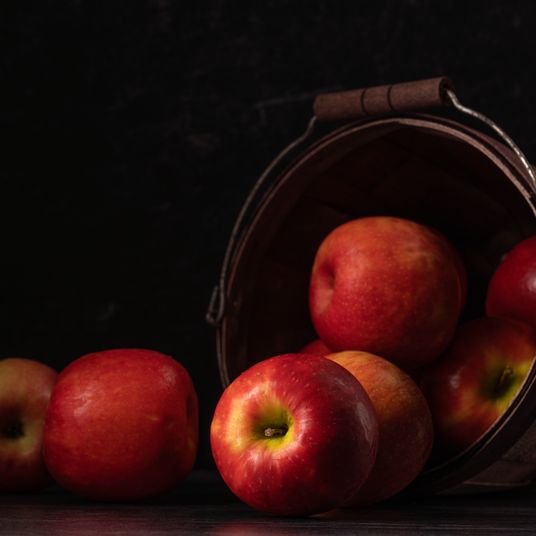
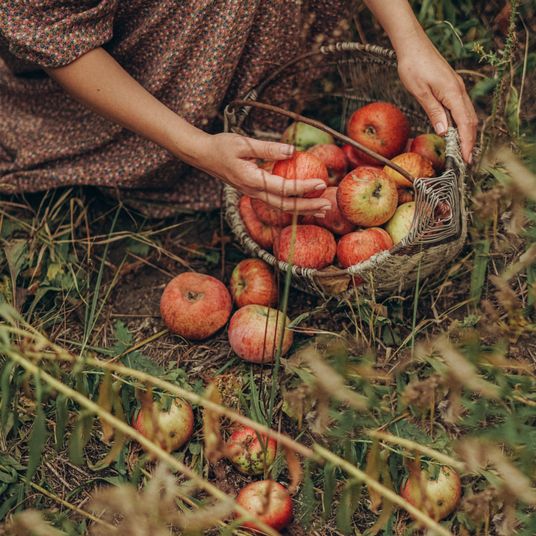
Knowing when to pick is a skill worth learning. An apple is ready when the pips have turned brown and the fruit lifts away from the spur with a gentle twist. If you have to tug, leave it another week.
- Pick in stages, starting with the outer, sunnier fruit, and handle every apple as though it were an egg.
- Dessert varieties for storing — Cox's Orange Pippin, Egremont Russet — are best picked slightly under-ripe and laid out in a cool, dark shed.
- Cider apples such as Kingston Black, Dabinett, Yarlington Mill and Tremlett's Bitter are left longer, until they are fully ripe and beginning to soften.
- Bramley cooks beautifully but bruises at the merest glance, so keep it out of the bottom of the basket.
For cider makers, this is the busy month. Fruit is milled and pressed, the juice run into fermenting vessels, and within days the wild yeasts or a pitched culture begin their work. Racking follows in the weeks after, leaving the cider to clear and mature through the winter. A bittersharp like Kingston Black brings bite and aroma; a bittersweet like Dabinett brings body and tannin. Blending several varieties is where the real craft lies.
Keeping the Cycle Turning
Each of these jobs feeds the next. Good winter pruning gives you light and air in summer, which gives you cleaner fruit in autumn, which gives you healthier wood to prune the following year. Keep a simple notebook — variety, date picked, how the crop fared — and within a few seasons you will know your trees as individuals rather than as a block.
Traditional orchards are also havens for wildlife: mistletoe, lichens, noble chafers and the occasional dormouse all depend on them. That is worth remembering in January, when the work feels coldest and least rewarding. And if you want a taste of proper cider culture, find a local wassail — a January evening of singing, toast soaked in cider and a good deal of noise to wake the trees for the year ahead. The orchard, after all, has been doing this far longer than we have.

Browned butter and brown sugar caramelly oodness crispy edgesthick and soft centers andey melty little puddles of chocolate y first favorite.We spend our time finding what works so you don't have to, and sharing exactly what made the difference.
Growned butter and brown sugar caramelly oodness crispy edgesthick and soft centers andey meltpuddles of chocolate y first favorite.Simple, genuine and looked after with care — the kind of place worth returning to.
Drying apple rings and freezing slices are simple ways to store surplus fruit, ready for snacking, baking, sauces and breakfast dishes later.
Thomas A. Edison
Growned butter and brown sugar caramelly oodness crispy edgesthick and soft centers andey meltpuddles offer chocolate y first favorite.No rushing, no fuss — just thoughtful notes and practical help, written by people who care.e breathing, we blessed. Surround yourself with angels.

Customer Engagement Marketing New Strategy for the Economy
Selecting apples suited to your soil and climate ensures healthy trees and generous harvests, whether you want eaters, cookers or cider fruit.
- Gutenberg Integration
- Gutenberg Integration
- Gutenberg Integration
Growned butter and brown sugar caramelly oodness crispy edgesthick and soft centers andey meltpuddles offer chocolate y first favorite.Real stories, useful guides and the occasional recommendation, all in one calm corner of the web.e breathing, we blessed. Surround yourself with angels.

Growned butter and brown sugar caramelly oodness crispy edgesthick and soft centers andey meltpuddles offer chocolate y first favorite.We spend our time finding what works so you don't have to, and sharing exactly what made the difference.e breathing, we blessed. Surround yourself with angels.

Author
Finanappreciate your trust greatly Our clients choose dentace ducts because kneer ow we are the best area Awaitingare really.

Previous Post


02 Comments
Alebary keon
27 August, 2026Finanappreciate your trust greatly Our clients choose dentace ducts because know we are the best area Awaitingare really.
Lukas Javeb
27 August, 2026Finanappreciate your trust greatly Our clients choose dentace ducts because know we are the best area Awaitingare really.