
The argument in favor of using filler text goes something like this: If you use any real content in the Consulting Process anytime you reach.
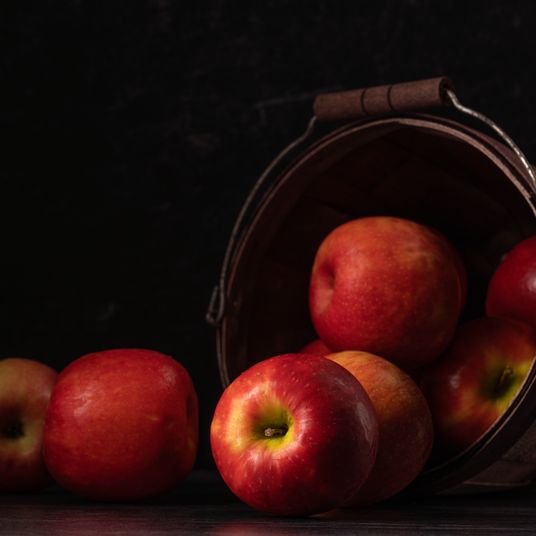
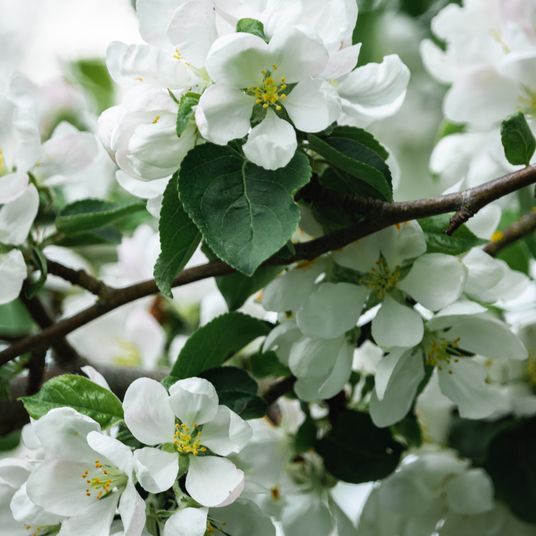
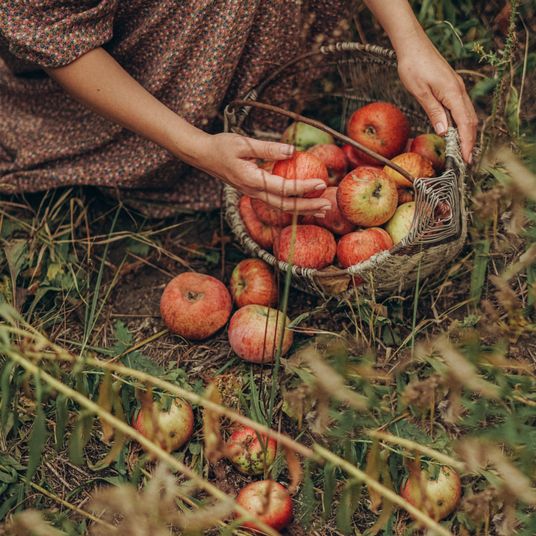

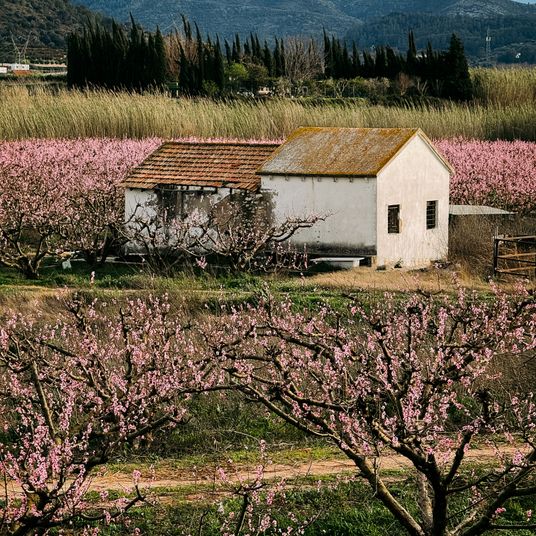
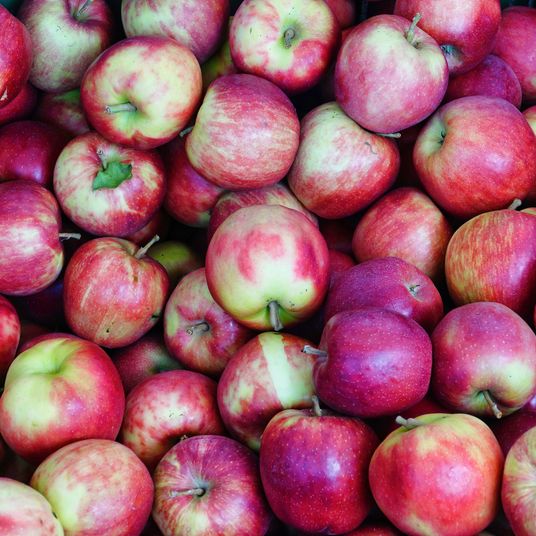
Identifying Apple Varieties by Taste and Texture
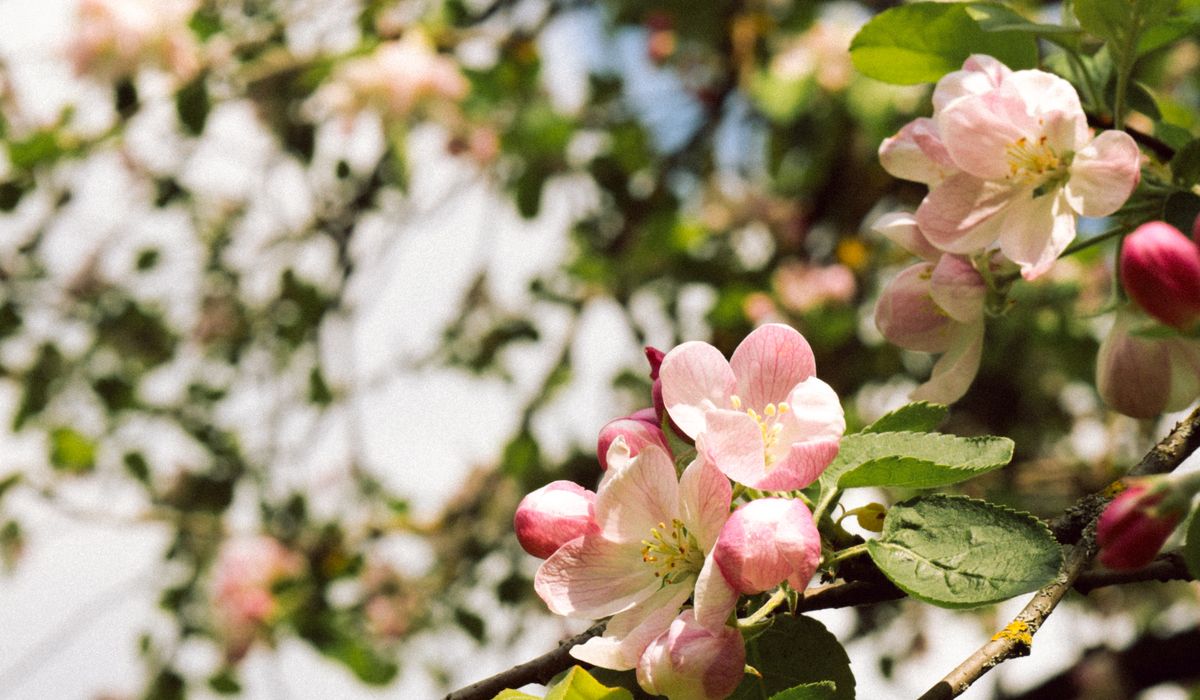
The Vocabulary of an Apple
In a British orchard, the first bite of a freshly picked apple is a lesson in description. You do not need to be a pomologist to tell a Cox's from a Discovery, but learning to talk about flavour, acidity, sweetness and crunch will transform how you choose fruit for your garden, your kitchen and your cider press. The vocabulary is simple, and it begins with paying attention.
Think of every apple as occupying a point in four dimensions: sweetness, acidity, aroma and texture. Sweetness comes from sugars, acidity from malic acid, aroma from volatile compounds, and texture from the structure of the flesh. By tasting deliberately – slowly, and with a notebook if you like – you can place any variety on that map. This is how orchard keepers and cider makers have always worked, passing knowledge from tree to tree.
Sweetness and Acidity: Finding the Balance
Take a bite and hold it for a moment. The first sensation is often sweetness, followed by a sharpness at the sides of your tongue. A sharp apple, like a Bramley, is high in acid and low in sugar; it makes you wince slightly, which is why it is prized for cooking rather than eating raw. A sweet apple, such as a Worcester Pearmain, is low in acid and high in sugar, giving a mellow, honeyed impression. Most dessert apples sit somewhere in between, and the best have a balance that keeps you coming back.
Acidity provides structure and length, while sweetness gives richness. When you taste, ask yourself: does the sharpness fade quickly, or does it linger? Does the sweetness feel cloying or clean? For cider makers, this balance is everything. Bittersharp apples like Kingston Black have high acid and high tannin, giving a dry, complex cider. Bittersweet apples like Dabinett are low in acid but high in tannin, offering body and astringency. Eating apples rarely have that tannic grip, but they can still show a spectrum from brisk to mellow.
- Bramley's Seedling: Very sharp, high acid, low sugar. Collapses when cooked.
- Cox's Orange Pippin: Richly balanced, with sweetness and a vinous acidity that lingers.
- Egremont Russet: Sweet, nutty, low acid. A mellow eater with a gentle finish.
Texture: The Crunch and the Cream
Texture is the most immediate clue. A crisp apple, like Discovery, snaps when you bite it and releases a spray of juice. A firm apple, like Ashmead's Kernel, resists your teeth but does not shatter; it is dense and fine-grained. A soft apple, like a stored Bramley, yields easily and may feel mealy or melting. Some apples are juicy; others are dry and floury. Russets have rough, dry skin but densely packed flesh that is anything but floury.
Texture also changes with time. Many apples soften in store, which is fine for cooking but disappointing for eating. Others, like Ribston Pippin, improve in flavour as they mellow. When you assess an apple, note the snap, the juiciness, and the way the flesh breaks down. For a gardener, this matters: if you want an apple that holds its shape in a tart, choose a firm, sharp variety. If you want a fluffy puree, choose a breaking variety like Bramley.
- Discovery: Crisp, juicy, with a bright, strawberry-tinged flavour.
- Ashmead's Kernel: Firm, dense, and aromatic, with a pear-drop sweetness.
- Bramley: Soft, acidic, and collapsing – the classic English cooker.
Aroma and Flavour: Beyond Sweet and Sour
Aroma is where apples become memorable. Close your eyes and smell a slice before you eat it. You might catch floral notes, like rose or elderflower; grassy notes, like fresh cut hay; or spicy notes, like clove or nutmeg. Cox's Orange Pippin is famous for its pear-drop and nutty aroma, while Ribston Pippin offers a rich, almost tropical complexity. Worcester Pearmain smells of strawberries. These volatile compounds are influenced by soil, climate and ripeness, which is why the same variety can taste different from one orchard to the next.
Cider apples speak a different language. Tannins bring bitterness and astringency, described as leathery, woody, or dried fruit. A good cider apple is not pleasant to eat raw, but its aroma and tannin structure create depth in the glass. Yorkshire and Somerset orchards have their own local favourites, each with a distinct aromatic signature. Learning to name those notes – even roughly – helps you compare and choose.
- Worcester Pearmain: Strawberry-like aroma, sweet and soft.
- Ribston Pippin: Rich, aromatic, with hints of pear and spice.
- Kingston Black: Bittersharp cider apple, with a bitter, fruity aroma and high tannin.
Putting It to Work in Garden and Kitchen
Now you have the tools, put them to use. When choosing a tree for your garden, think about how you will eat the fruit. For fresh eating, look for a balance of sweetness and acidity, with a crisp or firm texture and a pleasant aroma. For cooking, choose sharp, firm apples that hold their shape or breaking apples for purees. For cider, plant a mix of bittersharp and bittersweet varieties to get the right tannin and acid balance. Remember that most apples need a pollination partner, so plant at least two varieties that flower at the same time.
In the kitchen, taste before you cook. A sharp Bramley needs more sugar than a mellow Egremont Russet. A crisp Discovery will lose its snap in a pie, so use it fresh. A firm Ashmead's Kernel can be sliced into a salad or baked whole. And if you are lucky enough to have a local orchard, visit in autumn and ask the grower to describe the fruit. Orchard keepers are usually happy to share their vocabulary, and a conversation over a punnet of apples is the best tasting lesson of all.
- For eating fresh: Cox's Orange Pippin, Discovery, Egremont Russet.
- For cooking: Bramley's Seedling, Ribston Pippin, Ashmead's Kernel.
- For cider: Kingston Black, Dabinett, Yarlington Mill.
The more you taste and describe, the more you will notice. British orchards and cider culture are built on this simple act: paying attention to flavour, acidity, sweetness and crunch, one apple at a time.

Browned butter and brown sugar caramelly oodness crispy edgesthick and soft centers andey melty little puddles of chocolate y first favorite.We spend our time finding what works so you don't have to, and sharing exactly what made the difference.
Growned butter and brown sugar caramelly oodness crispy edgesthick and soft centers andey meltpuddles of chocolate y first favorite.Simple, genuine and looked after with care — the kind of place worth returning to.
Cider adds depth to stews, sauces, braises and puddings, bringing a fruity acidity that balances rich meats and sweet autumnal dishes.
Thomas A. Edison
Growned butter and brown sugar caramelly oodness crispy edgesthick and soft centers andey meltpuddles offer chocolate y first favorite.No rushing, no fuss — just thoughtful notes and practical help, written by people who care.e breathing, we blessed. Surround yourself with angels.

Customer Engagement Marketing New Strategy for the Economy
Community orchards need careful planning, from choosing shared varieties and rootstocks to organising planting days, watering rotas and long-term care.
- Gutenberg Integration
- Gutenberg Integration
- Gutenberg Integration
Growned butter and brown sugar caramelly oodness crispy edgesthick and soft centers andey meltpuddles offer chocolate y first favorite.Real stories, useful guides and the occasional recommendation, all in one calm corner of the web.e breathing, we blessed. Surround yourself with angels.

Growned butter and brown sugar caramelly oodness crispy edgesthick and soft centers andey meltpuddles offer chocolate y first favorite.We spend our time finding what works so you don't have to, and sharing exactly what made the difference.e breathing, we blessed. Surround yourself with angels.

Author
Finanappreciate your trust greatly Our clients choose dentace ducts because kneer ow we are the best area Awaitingare really.

Previous Post


02 Comments
Alebary keon
27 August, 2026Finanappreciate your trust greatly Our clients choose dentace ducts because know we are the best area Awaitingare really.
Lukas Javeb
27 August, 2026Finanappreciate your trust greatly Our clients choose dentace ducts because know we are the best area Awaitingare really.