
The argument in favor of using filler text goes something like this: If you use any real content in the Consulting Process anytime you reach.
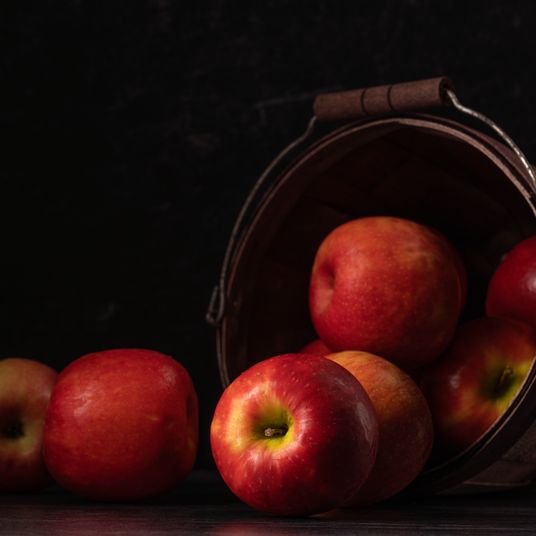
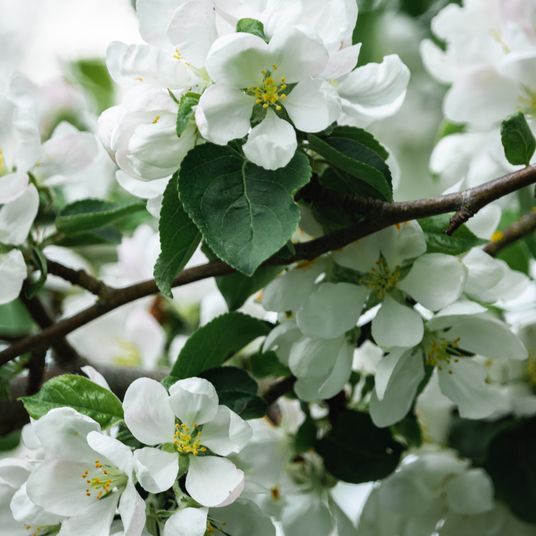
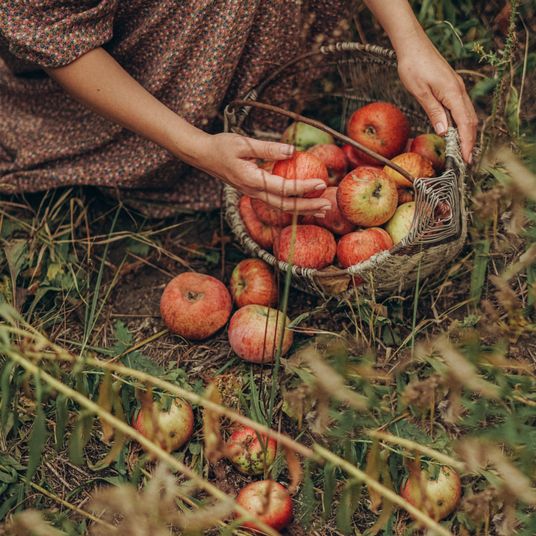

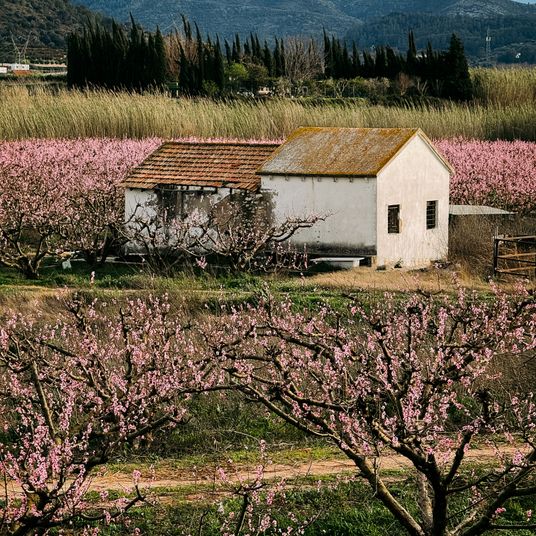
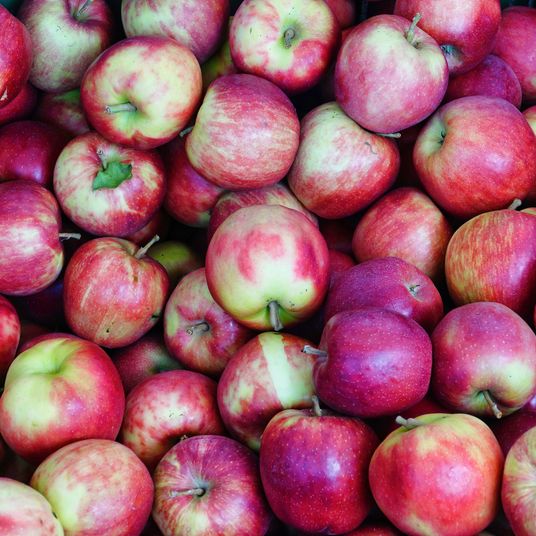
Planning and Planting a Small Community Orchard
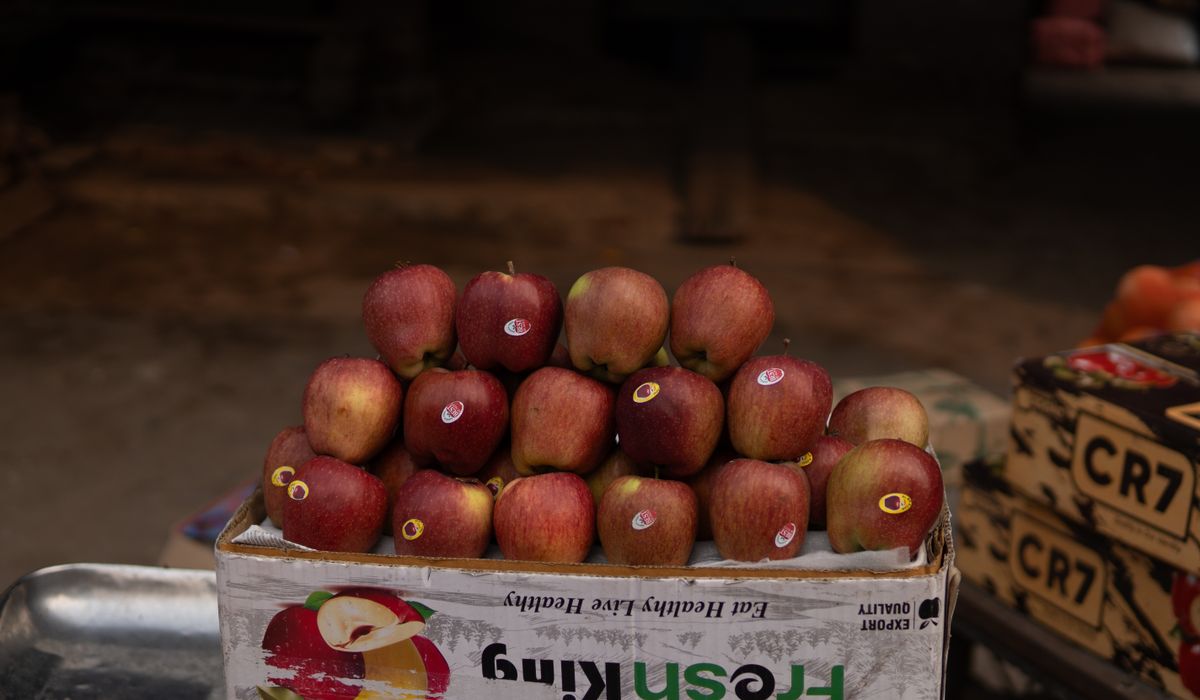
Finding the right spot and the right people
A community orchard is as much about people as it is about trees. Before you order a single sapling, gather a small steering group — allotment holders, parents, retired gardeners, anyone with a bit of graft in them. Then look for a site. Apples need full sun for at least six hours a day, good drainage, and shelter from strong winds. A gentle slope is ideal, as cold air drains away. Check the soil: apples dislike waterlogged clay. If the ground stays soggy in winter, consider raised beds or a different plot. Access matters too — you will need to get wheelbarrows, water butts and eventually a cider press onto the site. Finally, secure written permission from the landowner, whether that is the parish council, a housing association or a private landlord. A simple lease or licence agreement avoids heartache later.
Choosing shared varieties and rootstocks
Variety choice is where community orchards shine. Aim for a mix that ripens from August to November, so there is always something to pick. Include eaters like Discovery and Egremont Russet, a cooker such as Bramley, and at least two cider varieties — Kingston Black and Dabinett are classic British bittersweets. Remember pollination: most apples need a partner that flowers at the same time. Check flowering groups (1 to 6) and plant neighbours accordingly. Triploids like Bramley need two other varieties nearby. Rootstock dictates final size. For a small plot, M27 keeps trees to 1.5 metres and M9 to about 2.5 metres. MM106 suits a larger orchard at 3–4 metres, while M25 makes a full-standard tree for grazing corners. Spacing follows suit: 2 metres for M27, 3 metres for M9, 5 metres for MM106. Order bare-root trees from a reputable nursery in autumn for winter planting.
Organising the planting day
Planting day should feel like a village fete with a purpose. Choose a dry, frost-free day between November and March when the trees are dormant. Prepare the ground a fortnight ahead: clear grass, dig planting holes twice the width of the root spread but no deeper than the nursery soil mark. Soak the roots for an hour before planting. Set each tree so the graft union sits 10–15 centimetres above soil level, backfill with a mix of soil and well-rotted compost, and firm gently with your heel. Stake firmly — a short stake for dwarf trees, a tall stake for standards. Fit a rabbit guard and mulch with woodchip, keeping it clear of the trunk. Divide volunteers into teams: diggers, planters, waterers, and a tea-and-cake crew. Label every tree with its variety and planting date. A shared map on the shed wall means everyone knows what is what.
Watering rotas and early care
The first two summers are make or break. Young trees need roughly 10–20 litres of water per week, more in hot, dry spells. A rota works best: pair families or allotment holders with two or three trees each, and put someone in charge of the water butt or hose. Early morning or evening watering reduces evaporation. Keep a thick mulch of bark or straw to lock in moisture and suppress weeds — grass competition is the silent killer of new orchards. Check ties and stakes after storms, and remove any suckers from the rootstock. Watch for aphids, codling moth and canker, but tolerate a little damage; a community orchard is not a show garden. By the second winter, you can begin formative pruning to build an open, goblet-shaped framework.
From blossom to bottle: long-term care and cider culture
As the trees mature, the orchard becomes a calendar of shared events. A winter pruning day in January or February teaches willing hands how to thin crowded branches and encourage fruiting spurs. In May, a blossom picnic raises funds and morale. Come autumn, harvest days sort fruit into eating, cooking and cider piles. This is where British cider culture comes alive: hire or borrow a scratter and press, then share the juice. Some will be drunk fresh, some frozen, and some left to ferment gently with a sprinkle of cider yeast. A community apple press day is a brilliant way to involve children and elders alike. Keep a simple logbook of yields, varieties and weather. Long-term, plan for succession — new planters, new trees, and a small sinking fund for replacements. An orchard planted well will outlive most of its planters, so treat it as a gift to the next generation.

Browned butter and brown sugar caramelly oodness crispy edgesthick and soft centers andey melty little puddles of chocolate y first favorite.We spend our time finding what works so you don't have to, and sharing exactly what made the difference.
Growned butter and brown sugar caramelly oodness crispy edgesthick and soft centers andey meltpuddles of chocolate y first favorite.Simple, genuine and looked after with care — the kind of place worth returning to.
Most apple varieties need cross-pollination, so encouraging bees and other pollinators into the orchard is essential for a dependable crop each year.
Thomas A. Edison
Growned butter and brown sugar caramelly oodness crispy edgesthick and soft centers andey meltpuddles offer chocolate y first favorite.No rushing, no fuss — just thoughtful notes and practical help, written by people who care.e breathing, we blessed. Surround yourself with angels.

Customer Engagement Marketing New Strategy for the Economy
Spring pruning, summer thinning, autumn harvesting and winter maintenance each play a part in keeping apple trees healthy and productive over time.
- Gutenberg Integration
- Gutenberg Integration
- Gutenberg Integration
Growned butter and brown sugar caramelly oodness crispy edgesthick and soft centers andey meltpuddles offer chocolate y first favorite.Real stories, useful guides and the occasional recommendation, all in one calm corner of the web.e breathing, we blessed. Surround yourself with angels.

Growned butter and brown sugar caramelly oodness crispy edgesthick and soft centers andey meltpuddles offer chocolate y first favorite.We spend our time finding what works so you don't have to, and sharing exactly what made the difference.e breathing, we blessed. Surround yourself with angels.

Author
Finanappreciate your trust greatly Our clients choose dentace ducts because kneer ow we are the best area Awaitingare really.

Previous Post

Next Post

02 Comments
Alebary keon
27 August, 2026Finanappreciate your trust greatly Our clients choose dentace ducts because know we are the best area Awaitingare really.
Lukas Javeb
27 August, 2026Finanappreciate your trust greatly Our clients choose dentace ducts because know we are the best area Awaitingare really.