


The Reality Check: Why Most Online Casino Players Lose (And How to Improve)
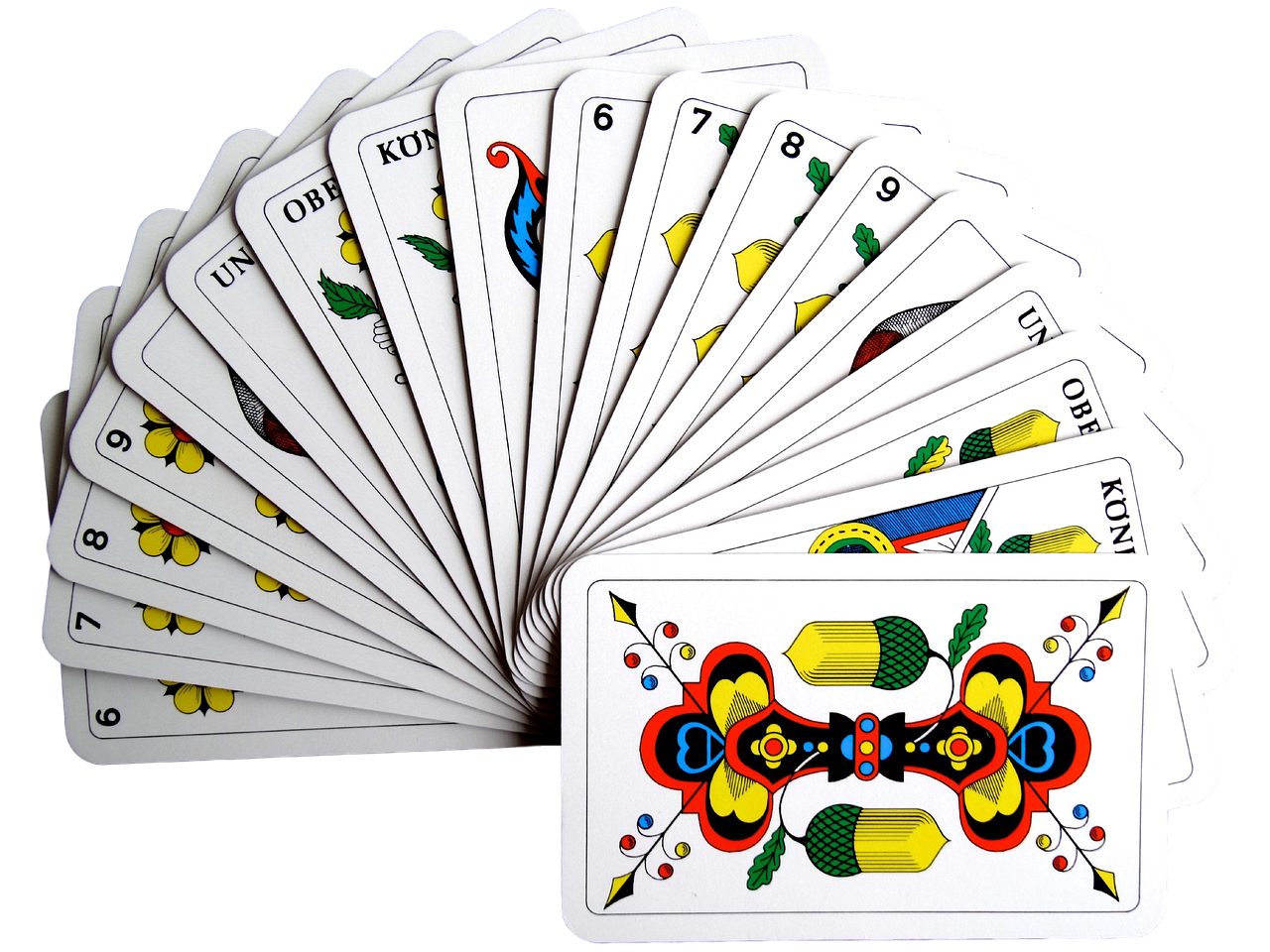
You’ve seen the screenshots. A guy turns $50 into $10,000 on a single slot spin. The streamer hits a royal flush on the river to win a tournament. The sports bettor nails a 12-leg parlay for a six-figure payout. These moments are real, but they are outliers. The uncomfortable truth is that the vast majority of people who deposit money into an online casino or sportsbook will lose it. This isn't pessimism; it's mathematics. The house edge doesn't care about your gut feeling, your lucky number, or the fact that you're "due" for a win. But here's the thing: understanding why you lose is the first step toward losing less—or, better yet, playing smarter. Let's pull back the curtain on the iGaming industry and look at the mechanics that separate the 5% who last from the 95% who don't.
The House Edge: The Invisible Tax on Every Bet
Every game you play in a casino—online or brick-and-mortar—has a built-in mathematical advantage for the operator. This is called the house edge. It’s not a conspiracy; it’s the business model. The edge is the difference between the true odds of an outcome and the payout you receive. Over millions of spins or hands, that small percentage guarantees the casino a profit.
Take European Roulette. There are 37 numbers (1–36 plus a single zero). If you bet on a single number and win, you get paid 35 to 1. But the true odds are 36 to 1 because there are 37 possible outcomes. That discrepancy creates a house edge of 2.7%. On American Roulette, with the double zero, the edge jumps to 5.26%. That might not sound like much, but over a few hours of play, it devours your bankroll.
Slots are different. The house edge isn't printed on the machine. It’s embedded in the RNG (Random Number Generator) and the paytable. A typical online slot has a Return to Player (RTP) between 94% and 97%. That means for every $100 wagered, the machine is programmed to pay back $94 to $97 over the long run—but the variance is massive in the short term. You could hit a 10,000x jackpot on your first spin, or you could lose 300 spins in a row. The RTP is a long-term average, not a promise for your session.
Key takeaway: The longer you play, the more likely the house edge will grind you down. Short sessions with strict stop-loss limits are your only defense.
Slots: It’s Not About Luck, It’s About Volatility
Players often confuse low RTP with "rigged." A slot with a 96% RTP isn't rigged; it's just designed to keep 4% of all money wagered over time. The real variable is volatility. Low-volatility slots pay small amounts frequently—think classic 3-reel games like Starburst or Blood Suckers. High-volatility slots like Book of Dead or Money Train 3 can go hundreds of spins without a win, then explode with a massive payout.
If you have a $50 bankroll and you sit down at a high-volatility slot betting $2 per spin, you are almost certainly going to bust. Your $50 gives you just 25 spins. The odds of hitting a bonus round in that window are slim. Instead, match your bankroll to the volatility. For high-volatility games, you need at least 200–300 spins' worth of capital. For low-volatility, 100 spins might suffice.
- Check the RTP: Look for slots with 96% or higher. Avoid anything below 94% unless you're playing for entertainment only.
- Understand volatility: High risk, high reward. Low risk, frequent small wins.
- Use the demo mode: Before spending real money, test the slot's behavior for 50–100 spins. It won't predict the future, but it gives you a feel for the rhythm.
Poker: The Only Game Where You Can Beat the House
Poker is the exception in the casino world. You aren't playing against the house; you're playing against other people. The casino takes a rake—a small percentage of each pot—but the edge comes from your skill relative to your opponents. This is why professional poker players exist. In slots or roulette, no amount of skill changes the math. In poker, it does.
But here's the catch: most casual players are not winning players. They chase draws without pot odds, they tilt after a bad beat, and they play too many hands. If you want to be profitable at poker, you need to study. Learn about position, range construction, bet sizing, and bankroll management. A common rule for cash games is to have at least 20 buy-ins for the stake you're playing. If you're playing $1/$2 No-Limit Hold'em, that means a $4,000 bankroll. For tournaments, 100 buy-ins is standard. For more on this, see สล็อตเว็บตรง.
Also, track your results. Use a poker tracking software like PokerTracker or Hold'em Manager. If you're losing over 10,000 hands, you're not unlucky—you're leaking money. Review your hands, post in forums, and get coaching if you're serious.
Sports Betting: The Trap of the Accumulator
Sports betting feels more skill-based than slots, and to some extent, it is. If you know football better than the average fan, you can find value. But the bookmakers aren't stupid. They employ teams of oddsmakers and use algorithms to set lines that are incredibly efficient. The margin—the vig—is baked into the odds. A standard -110 line on a point spread means you need to win 52.4% of your bets just to break even.
The biggest mistake recreational bettors make is parlay betting. A 5-leg parlay might pay 20-to-1, but the true odds are much higher. The bookmaker's margin compounds with each leg. If each leg has a 50% chance of winning, the parlay has a 3.125% chance of hitting. The payout of 20-to-1 implies a 4.76% chance. That's a massive edge for the house. Stick to straight bets or small teasers. If you must parlay, keep it to 2–3 legs and only for fun.
Another trap: chasing steam. Just because a line moved doesn't mean you should bet it. Line movement can be caused by sharp money, but it can also be public overreaction. Always do your own research. Look at advanced metrics, injury reports, and weather conditions. And never bet on your favorite team—emotion clouds judgment.
Bankroll Management: The One Skill That Actually Matters
You can have the best strategy in the world, but if you don't manage your bankroll, you'll go broke. Bankroll management is not about making more money; it's about surviving long enough to let your edge (if you have one) play out. Here are the core principles:
- Separate your gambling bankroll from your life savings. Never gamble with money you can't afford to lose. This is entertainment, not an investment.
- Set a session limit. Decide in advance how much you're willing to lose in one session. If you hit that limit, stop. No exceptions.
- Set a win limit. It sounds counterintuitive, but if you double your session bankroll, consider cashing out. Greed is the enemy of profit.
- Adjust bet sizes. A common rule is to bet 1–2% of your total bankroll per bet. If you have a $1,000 bankroll, bet $10–$20 per hand or spin. This gives you 50–100 units of ammunition.
- Track everything. Use a spreadsheet or an app to log your wins, losses, and hours played. You can't improve what you don't measure.
The Bottom Line: Play for Entertainment, Not Income
The harsh reality is that the iGaming industry is designed to take your money. The lights, the sounds, the near-misses—they're all engineered to keep you playing. That doesn't mean you can't enjoy it. It means you need to go in with your eyes open. Treat gambling as a cost of entertainment, like buying a movie ticket or a round of drinks. If you happen to win, great. If you lose, you paid for the thrill. The moment you start chasing losses or believing you're "due," you've already lost. Play smart, set limits, and never bet more than you can afford to lose. The house always wins in the end—but you don't have to be the sucker who funds the next jackpot.

Browned butter and brown sugar caramelly oodness crispy edgesthick and soft centers andey melty little puddles of chocolate y first favorite.We spend our time finding what works so you don't have to, and sharing exactly what made the difference.
Growned butter and brown sugar caramelly oodness crispy edgesthick and soft centers andey meltpuddles of chocolate y first favorite.Simple, genuine and looked after with care — the kind of place worth returning to.
Autumn planting gives roots time to settle before winter, helping young trees establish strong foundations for future crops and easier care.
Thomas A. Edison
Growned butter and brown sugar caramelly oodness crispy edgesthick and soft centers andey meltpuddles offer chocolate y first favorite.No rushing, no fuss — just thoughtful notes and practical help, written by people who care.e breathing, we blessed. Surround yourself with angels.

Customer Engagement Marketing New Strategy for the Economy
Rootstocks control tree size, vigour and disease resistance, so choosing the right one matters when space is limited or soil is heavy.
- Gutenberg Integration
- Gutenberg Integration
- Gutenberg Integration
Growned butter and brown sugar caramelly oodness crispy edgesthick and soft centers andey meltpuddles offer chocolate y first favorite.Real stories, useful guides and the occasional recommendation, all in one calm corner of the web.e breathing, we blessed. Surround yourself with angels.

Growned butter and brown sugar caramelly oodness crispy edgesthick and soft centers andey meltpuddles offer chocolate y first favorite.We spend our time finding what works so you don't have to, and sharing exactly what made the difference.e breathing, we blessed. Surround yourself with angels.

Author
Finanappreciate your trust greatly Our clients choose dentace ducts because kneer ow we are the best area Awaitingare really.

Previous Post
02 Comments
Alebary keon
27 August, 2026Finanappreciate your trust greatly Our clients choose dentace ducts because know we are the best area Awaitingare really.
Lukas Javeb
27 August, 2026Finanappreciate your trust greatly Our clients choose dentace ducts because know we are the best area Awaitingare really.