
The argument in favor of using filler text goes something like this: If you use any real content in the Consulting Process anytime you reach.
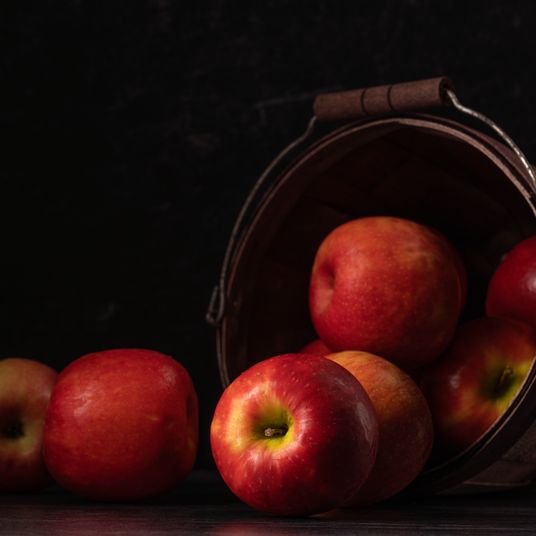
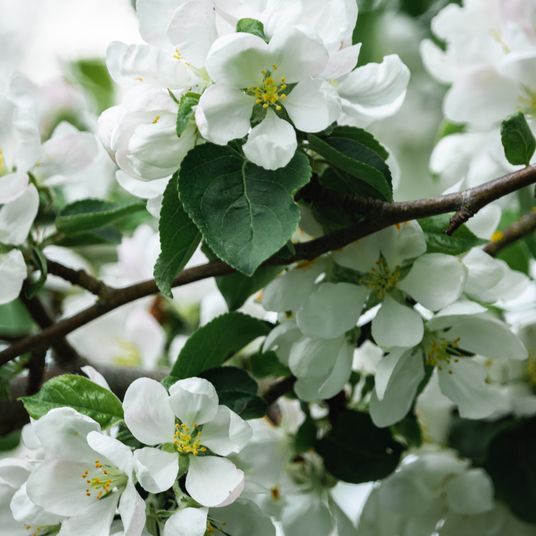
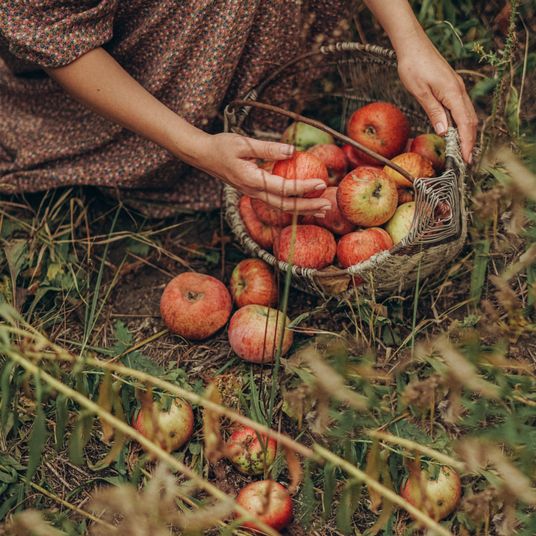
Recognising Common Apple Tree Diseases and Pests
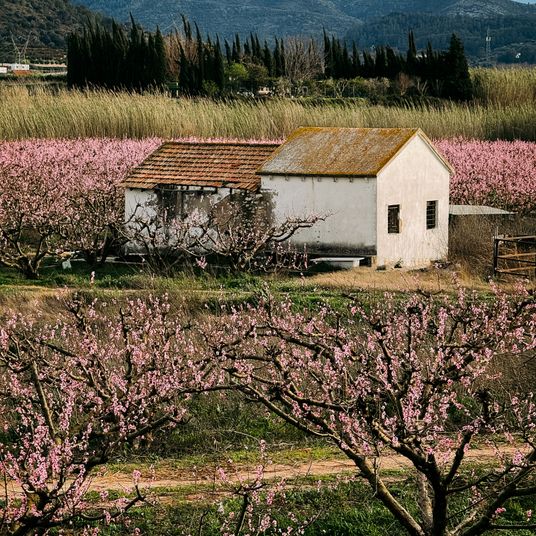
There are few sights more reassuring than a traditional British orchard coming into leaf in April, but those first soft flushes of green are exactly when trouble announces itself. Canker, scab, codling moth and aphids all begin their year quietly, and by the time the damage is obvious you are managing a problem rather than preventing one. The good news is that a walk round with sharp eyes, once a week from bud burst to midsummer, is the single most useful thing you can do for your crop.
Why Early Spotting Beats Heavy Spraying
An orchard is a small ecosystem, and most of the insects in it are on your side. Ladybirds, hoverflies, lacewings, earwigs, parasitic wasps and foraging tits will all take aphids and moth eggs if you give them the chance. Broad-spectrum sprays wipe out that unpaid workforce along with the pests, and you often end up with a worse infestation a few weeks later because the predators take far longer to return than the aphids do.
So the aim is not a sterile orchard but a balanced one. That means learning what the early signs look like, dealing with small problems by hand or with cultural methods, and saving anything stronger for a genuine emergency.
Apple Canker: Reading the Bark
Canker is the disease that shortens the life of many an old apple tree. It appears as sunken, dead patches of bark, often around a pruning cut, a leaf scar or a bit of wind damage. The bark cracks in concentric rings, the wood beneath is dark and stained, and in damp weather you may spot small creamy-white pustules of spores. Left alone, canker girdles a branch and kills everything beyond it.
Cut it out cleanly in dry weather, ideally mid-morning when the rain has stopped and the sap is not running. Take the cut back 10–15cm into clean, pale wood, disinfect your secateurs or saw between cuts with methylated spirits, and burn or bin the prunings rather than composting them. Larger wounds are worth painting with a protective sealant. Cox's Orange Pippin is notoriously prone; Annie Elizabeth and Lord Derby cope far better.
Apple Scab: A Wet Spring's Legacy
Scab thrives in damp, mild springs. Look for olive-green blotches on the leaves that darken to velvety black, and for raised, corky, cracked patches on the fruit. It rarely kills a tree, but it ruins the look of a crop and weakens the leaves' ability to feed the fruit.
The fungus overwinters mostly in fallen leaves, so the most effective intervention comes in autumn rather than spring. Rake up every leaf you can, and either burn them or bury them well away from the trees. A mulch of garden compost over the cleared ground helps the remaining debris rot down quickly.
- Prune out congested growth so air moves freely and leaves dry fast.
- Thin heavy fruit sets in June so remaining apples have room to swell and dry.
- Choose less susceptible varieties such as Discovery or Lord Derby where you can.
Codling Moth: The Maggot in the Apple
If you cut an apple open and find a pinkish-white caterpillar tunnelling through the core, with brown frass pushed out at the eye end, you have codling moth. There is usually one generation a year in northern Britain and two in the south, with moths on the wing from late May.
Hang a pheromone trap in mid-May to see when the males appear; this tells you exactly when to act rather than guessing. From June, tie corrugated cardboard bands around the trunk and main branches. The caterpillars happily spin their cocoons in these hideaways, so you can remove the bands in autumn and destroy them. Grease bands applied in early autumn stop the wingless females climbing the trunk to lay. And pick up fallen fruit promptly — a single dropped apple can release the next generation.
Aphids and the Ants That Farm Them
Aphids are the most common early-season complaint, and the rosy apple aphid does the most damage: it feeds inside developing leaves, causing them to curl into tight rosettes and distorting the fruit beneath. Green apple aphid is more cosmetic, while woolly aphid coats twigs in white fluff and causes knobbly galls.
Check the undersides of leaves and the tips of new growth from April onwards. A strong jet of water knocks colonies off; curled leaves can simply be pinched out and binned. If ants are running up and down the trunk, they are farming the aphids and protecting them from predators, so a grease band stops that arrangement cold.
Only if a tree is genuinely struggling should you reach for a soap-based spray — and then apply it in the evening, when bees and most beneficial insects have stopped flying.
Building an Orchard That Looks After Itself
Robust trees resist pests. Keep the ground around young trees clear of competing grass, water deeply in dry spells, and avoid high-nitrogen feeds that produce soft, sappy growth aphids adore. Leave a patch of nettles, ivy and umbellifers nearby; they are winter homes and nectar sources for the predators you want on side. Never spray while the trees are in blossom.
A simple rhythm serves most orchards well: prune and rake leaves in winter, grease-band the trunks, walk the trees weekly from bud burst to midsummer, band and clear fallen fruit in late summer and autumn. Do that, and you will rarely need to do anything more drastic.

Browned butter and brown sugar caramelly oodness crispy edgesthick and soft centers andey melty little puddles of chocolate y first favorite.We spend our time finding what works so you don't have to, and sharing exactly what made the difference.
Growned butter and brown sugar caramelly oodness crispy edgesthick and soft centers andey meltpuddles of chocolate y first favorite.Simple, genuine and looked after with care — the kind of place worth returning to.
Regular pruning opens the canopy to light and air, encourages fruiting spurs and keeps trees manageable for picking, spraying and general orchard maintenance.
Thomas A. Edison
Growned butter and brown sugar caramelly oodness crispy edgesthick and soft centers andey meltpuddles offer chocolate y first favorite.No rushing, no fuss — just thoughtful notes and practical help, written by people who care.e breathing, we blessed. Surround yourself with angels.

Customer Engagement Marketing New Strategy for the Economy
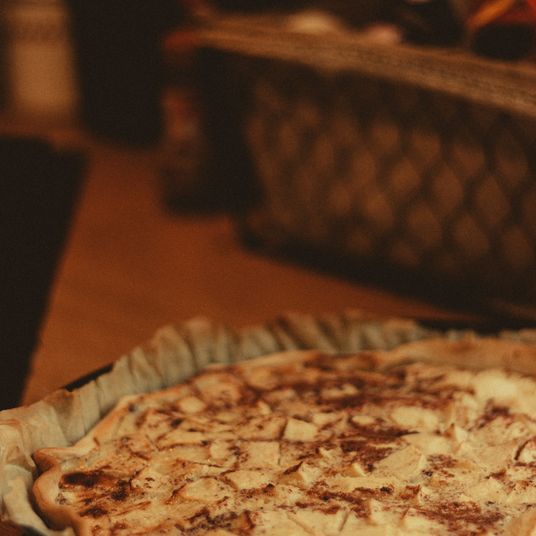
Firm, tart varieties hold their shape in pies and crumbles, while sweeter apples work well in sauces, chutneys and traditional British puddings.
- Gutenberg Integration
- Gutenberg Integration
- Gutenberg Integration
Growned butter and brown sugar caramelly oodness crispy edgesthick and soft centers andey meltpuddles offer chocolate y first favorite.Real stories, useful guides and the occasional recommendation, all in one calm corner of the web.e breathing, we blessed. Surround yourself with angels.

Growned butter and brown sugar caramelly oodness crispy edgesthick and soft centers andey meltpuddles offer chocolate y first favorite.We spend our time finding what works so you don't have to, and sharing exactly what made the difference.e breathing, we blessed. Surround yourself with angels.

Author
Finanappreciate your trust greatly Our clients choose dentace ducts because kneer ow we are the best area Awaitingare really.

Previous Post

Next Post

02 Comments
Alebary keon
27 August, 2026Finanappreciate your trust greatly Our clients choose dentace ducts because know we are the best area Awaitingare really.
Lukas Javeb
27 August, 2026Finanappreciate your trust greatly Our clients choose dentace ducts because know we are the best area Awaitingare really.