
The argument in favor of using filler text goes something like this: If you use any real content in the Consulting Process anytime you reach.
How to Prune Apple Trees for Better Fruit
Why pruning pays for itself
An apple tree left entirely to its own devices will still crop, but the fruit migrates steadily upwards and outwards, until most of it is ripening in the top of the canopy where you cannot reach it. Pruning is simply the business of directing the tree's energy to where you want it: strong, well-spaced branches, plenty of light through the middle, and fruit within reach of a ladder or a long-arm picker.
Light is the real currency here. A canopy that opens up in the centre ripens its wood properly, which in turn encourages good fruiting spurs. Air moving through the branches dries the leaves quickly after rain, and that alone reduces scab, mildew and canker. A pruned tree is also far easier to spray, net against bullfinches or wasps, mow beneath, and pick from with both hands rather than one.
Two windows in the year
Most of the structural work happens in winter, while the tree is dormant. From leaf fall through to late February is fine, though avoid cutting in a hard frost or when rain is forecast for days on end, as the wounds sit wet. Winter pruning encourages growth, so use it on young trees you want to build up, and on old trees that need renovating.
Summer pruning, from late July into August, does the opposite. Cutting back the current season's growth while the tree is still in leaf slows it down rather than stimulating it, which is exactly what you want on trained forms such as espaliers, cordons and fans, and on any tree that has grown too vigorous. A simple rule: winter for shape and vigour, summer for size and ripening.
Know what your tree fruits on
Before you take the secateurs out, work out whether you have a spur-bearer or a tip-bearer. The great majority of apples — Bramley, Cox, most bittersweet cider varieties — carry their crop on short, stubby fruiting spurs produced on wood that is two years old or more. On these, you thin out overcrowded spurs and shorten the leaders, but you never cut back every young shoot, or you remove next year's blossom.
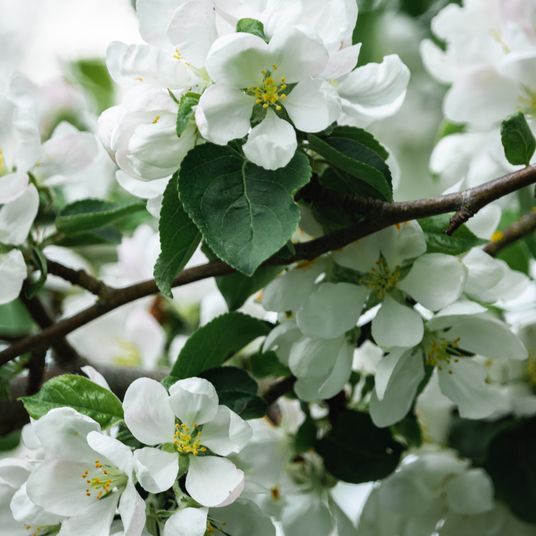
A minority, including some older varieties, bear fruit at the tips of last year's shoots. Tip those and you have cut off the crop. If you are unsure, watch the tree in spring: note where the blossom sits, and prune accordingly. It is also worth knowing whether your tree is prone to biennial bearing, cropping heavily one year and barely at all the next, because the light thinning that removes some of the flower buds in a heavy year can even that out.
What to take out, and how to cut it
Work in a fixed order and the job becomes much less daunting:
- Dead, diseased and damaged wood first, every time.
- Branches that cross, rub or chafe against one another.
- Growth heading inwards, or shooting straight up through the centre.
- Congested spur systems, thinned so the remaining spurs have room.
- Vigorous upright water shoots, cut back to two or three buds or removed entirely.
Use sharp bypass secateurs for anything up to a pencil thickness, loppers up to about three centimetres, and a pruning saw beyond that. Cut close to a bud or to a joining branch, but never so tight that you slice into the collar, and never leave a long snag to die back. Angle the cut gently away from the bud you are cutting to, choosing one that faces outwards so the new shoot grows into open space. On a heavy limb, use three cuts: an undercut a hand's width out, a top cut slightly further along until the branch drops, then a clean final cut at the collar. Do not paint the wounds; apple wood seals itself perfectly well.
Building a young tree
For the first three or four winters, aim to establish either an open-centred goblet or a central leader with well-spaced tiers. Shorten the previous year's growth on the main branches by roughly a third, always to an outward-facing bud, and remove anything that competes with the leader. A young tree that is properly formed for four years will need only light maintenance for the next forty.
Renovating an old orchard tree is a slower business. Take out no more than a quarter to a third of the canopy in any one winter, spreading the work over three years. Start with the dead wood and the worst congestion, and resist the temptation to give an overgrown tree a brutal haircut in a single afternoon — it will answer with a forest of water shoots and very little fruit.
The cider orchard tradition
Traditional cider orchards — the tall standards of Somerset, Herefordshire, Devon and Kent, often grazed underneath by sheep — were rarely pruned hard. The trees were grown for volume, and the fruit was shaken or milled rather than hand-picked, so height mattered less. But even these trees benefit from attention: removing dead limbs, opening the crown, and thinning the crop on heavy bittersweet varieties such as Dabinett or Yarlington Mill, which will otherwise exhaust themselves into a biennial rhythm.
Keep your tools clean between trees with a wipe of methylated spirits, burn or bin any cuttings carrying canker, mulch in spring, and go easy on nitrogen feed, which only makes soft, sappy growth that invites trouble. And there is one old test worth applying when you stand back to judge your work: a blackbird should be able to fly through the branches without touching a wing.

Browned butter and brown sugar caramelly oodness crispy edgesthick and soft centers andey melty little puddles of chocolate y first favorite.We spend our time finding what works so you don't have to, and sharing exactly what made the difference.
Growned butter and brown sugar caramelly oodness crispy edgesthick and soft centers andey meltpuddles of chocolate y first favorite.Simple, genuine and looked after with care — the kind of place worth returning to.
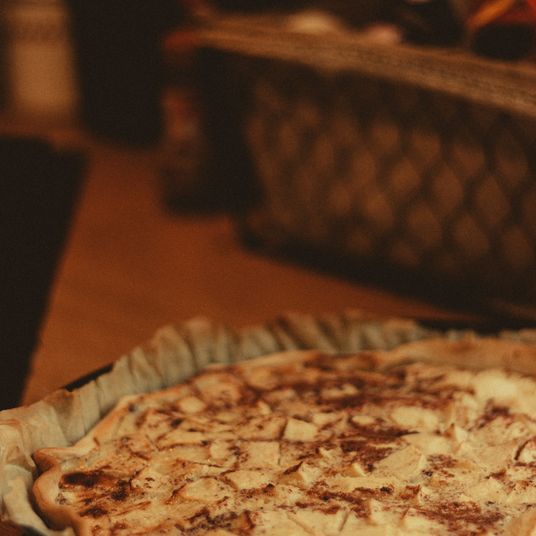
Firm, tart varieties hold their shape in pies and crumbles, while sweeter apples work well in sauces, chutneys and traditional British puddings.
Thomas A. Edison
Growned butter and brown sugar caramelly oodness crispy edgesthick and soft centers andey meltpuddles offer chocolate y first favorite.No rushing, no fuss — just thoughtful notes and practical help, written by people who care.e breathing, we blessed. Surround yourself with angels.

Customer Engagement Marketing New Strategy for the Economy
Use up windfall apples with onions, vinegar, spices and sugar to create a versatile chutney that improves with keeping and pairs well with cheese.
- Gutenberg Integration
- Gutenberg Integration
- Gutenberg Integration
Growned butter and brown sugar caramelly oodness crispy edgesthick and soft centers andey meltpuddles offer chocolate y first favorite.Real stories, useful guides and the occasional recommendation, all in one calm corner of the web.e breathing, we blessed. Surround yourself with angels.

Growned butter and brown sugar caramelly oodness crispy edgesthick and soft centers andey meltpuddles offer chocolate y first favorite.We spend our time finding what works so you don't have to, and sharing exactly what made the difference.e breathing, we blessed. Surround yourself with angels.

Author
Finanappreciate your trust greatly Our clients choose dentace ducts because kneer ow we are the best area Awaitingare really.

Previous Post

Next Post

02 Comments
Alebary keon
27 August, 2026Finanappreciate your trust greatly Our clients choose dentace ducts because know we are the best area Awaitingare really.
Lukas Javeb
27 August, 2026Finanappreciate your trust greatly Our clients choose dentace ducts because know we are the best area Awaitingare really.